
The Voie de Vézelay (or Via Lemovicensis) is one of the most well-known and most commonly used pilgrim routes. It covers a distance of 1,100 kilometres between Vézelay and Saint-Jean-Pied-de-Port. From Limoges to the Spanish border, we have selected some remarkable sections of the route for you, that are neither too easy nor too difficult.
Section 1: Limoges to Périgueux (92 km in approximately 4 days)
Limoges, France
If you follow the Via Lemovicensis from Limoges, you be walking through the countryside of the Limousin until you reach the village of Châlus. Then, when you come to the outskirts of La Coquille, you’ll be surrounded by the wonderful scenery of the Périgord, in Dordogne. The cycle paths offer an experience of local farming life, guiding you through this generous terroir, dotted with picturesque and medieval villages, wooded meadows and valleys of lush greenery. To make each stop a bit more interesting, take a detour to an authentic restaurant, a charming Romanesque church or a medieval castle.
The absolute highlight of this first section is the final destination, Périgueux, a town with the French 'Town of Art and History’ label. Visit Périgueux Cathedral and the Vésone Citadel. After enjoying the peace and quiet by the canal, head west to the charming little village of Chancelade. While you’re there, you can admire the superb Abbey of Notre-Dame that was founded in 1132.
Where to stay in Périgueux?
At the entrance to the town of Chancelade, the 19th century Château des Reynats stands proudly in the midst of vast grounds full of ancient trees. You can expect a luxury stay here, with a spa and fine-dining experience to boot. The perfect place to end this sporty trip with friends.
Section 2: From Périgueux to Mont-de-Marsan (193 km in ten days or so)
Mont-de-Marsan, France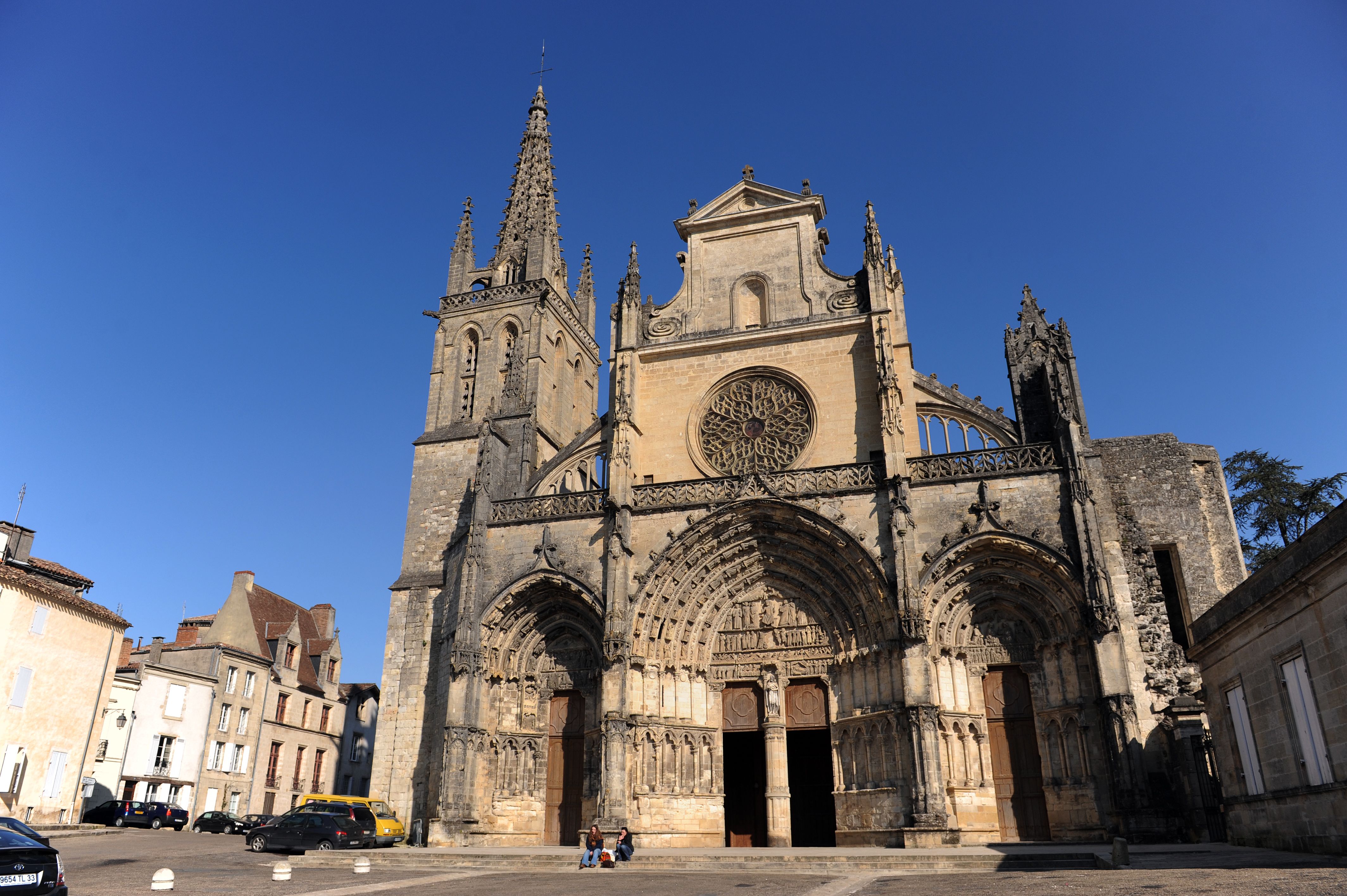
Towards Bergerac. After cycling through the diverse landscapes of Guyenne, past vineyards, through forests and across meadows, you’ll then pass through the towns of Chalagnac, Bergerac, Malveyrein, Sainte-Foy-la-Grande, Roquebrune, Bazas, Bourriot-Bergonce, and Roquefort, to name but a few.
Once you’ve crossed the Garonne, you’ll come to the vast pine forest of the Landes, planted in the 18th century and stretching across a million hectares. This section is a succession of straight paths lined with pine trees as far as the eye can see. Luckily, you’ll also be passing through villages with little Romanesque churches, sacred fountains and other places steeped in legends. You’ll then come to Chalosse which is a region on the edge of Béarn, well-known for its salt springs, with corn fields and poultry farms.
When you come to Mont-de-Marsan, the final destination of this adventure, leave yourself a whole day to explore the town. For the past 30 years, this capital of the Landes has been a hotspot for figurative sculpture of the 20th century. These artworks are dotted all over the place and as a result, the town was given the nickname, ‘sculpture capital’. Unless that nickname is thanks to the Musée Despiau-Wlérick (currently being renovated), which is devoted mainly to the art of sculpture.
This town is also known as ‘the Town with Three Rivers’. So after that spot of culture, it’s time for some nature. We recommend going for a stroll along the banks of the Medouze, an ‘Urban Natural Park’. Whatever the season, it is always nice to walk along the river, embracing the fresh air, and why not turn this walk into a fifteen kilometre hike?
Where to stay in Mont-de-Marsan?
The Hotel-Restaurant des Pyrénées has been a local institution here since 1938 and it is renowned for its excellent quality cuisine, fantastic wine cellar, and the 24 guest rooms that were given a complete makeover in 2020. At the helm is talented ex-rugby player Marc Giraud, who has successfully transformed this property into a modern and elegant establishment.
Section 3: From Mont-de-Marsan to Orthez (55 km in approximately 3 days)
Orthez, France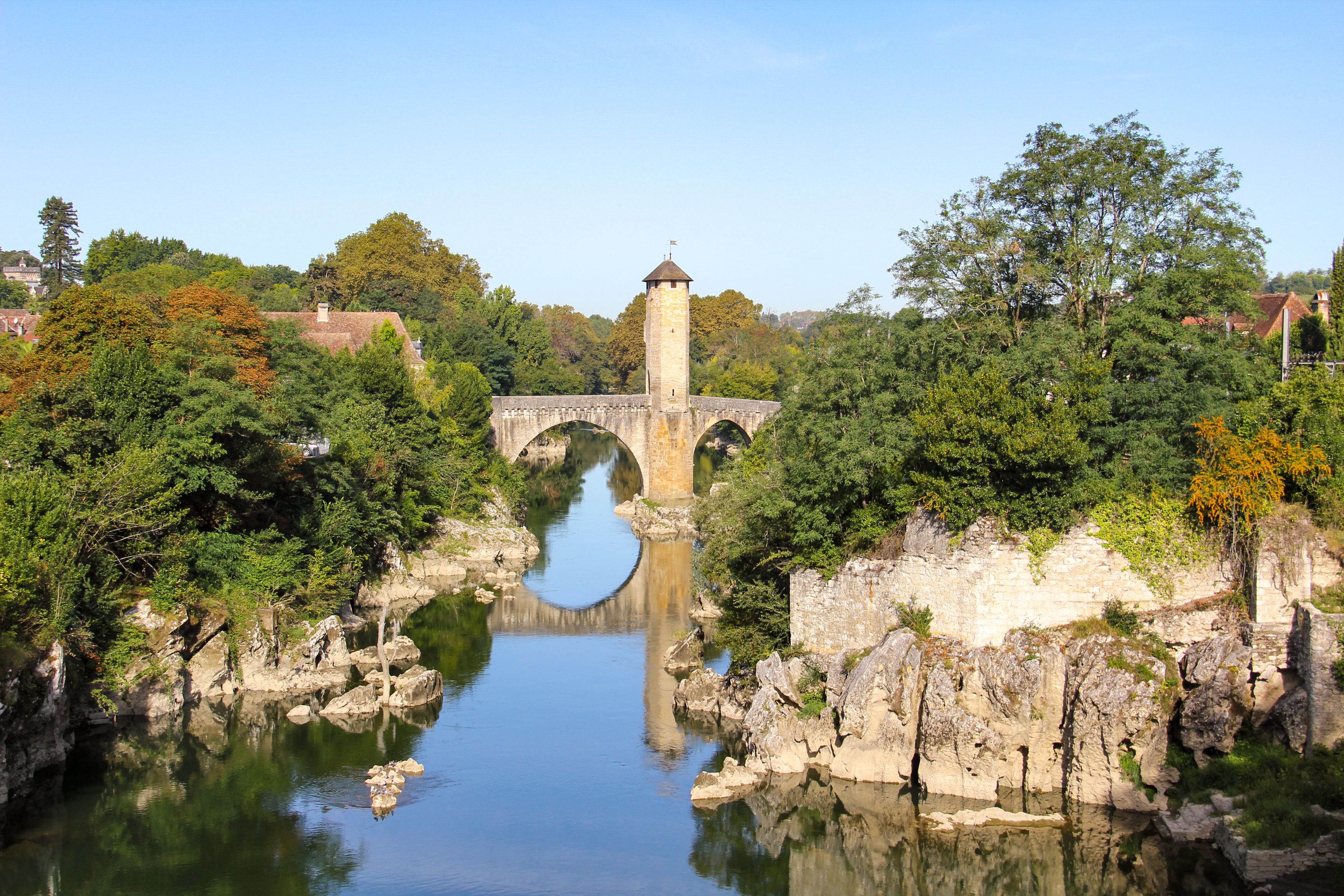
During this section, you’ll be crossing the farmland of the Béarn region, known for cereal production, including the famous Landes corn. You’ll alternate between gentle rolling hills and lush-green valleys, with stunning views of the countryside, criss-crossed by rivers and streams. You'll cross the Adour and then Gave de Pau rivers, flowing through Orthez. Around these rivers there are some great places to stop off in summer for much-needed shade and refreshment.
Once you arrive in Orthez, end this section of your trip with a leisurely stroll around the historic town centre, the Château Moncade and the Pont Vieux. The Musée Jeanne d’Albret is also worth a visit to learn all about the influence of Protestantism in Béarn. Fans of religious heritage will be amazed by the nave and choir inside the Church of Saint-Pierre d’Orthez.
Where to stay in Orthez?
You must stay at the iconic Hotel de la Lune which dates back to the 15th century, and is a popular stopover for pilgrims. According to legend, this ‘inn named after the moon’ would welcome anyone passing through Orthez, including Jean Froissart, in 1388, a famous columnist from medieval times.
Section 4: from Orthez to Saint-Jean-Pied-de-Port (65 km in 3 or 4 days)
Saint-Jean-Pied-de-Port, France
After cycling over the Landes hills, you’ll start to see signs that you’re entering the Basque Country, the foothills of the Pyrenees. You’ll cycle through some iconic places, including Sauveterre-de-Béarn, Saint-Palais, then Ostabat and finally, Saint-Jean-Pied-de-Port, where the Voie de Vézelay comes to an end. Saint-Palais is a remarkable place to visit thanks to the famous Gibraltar stone monument erected in 1964, that marks the presumed point where the routes of Tours, Vézelay Puy-en-Velay cross over.
Saint-Jean-Pied-de-Port is a town that is literally overflowing with religious heritage, where you can cross the so-called Roman bridge (18th century), admire the Porte Saint-Jacques (13th century, UNESCO World Heritage Site), visit the Citadel (17th century) and venture inside the Church of Notre-Dame du Bout-du-Pont (13th century courts of assize).
It is in Saint-Jean-Pied-de-Port that France’s four pilgrim routes cross paths: Tours, Vézelay, Piémonts and Puy-en-Velay. It is also the departure point for avid walkers embarking on the famous section of the Ports de Cize route to the Roncevaux collegiate church, a renowned location for Christianity. A mountainous route once taken by the troops of Charlemagne, and a key feature in the story about Roland’s olifant and related legends.
Where to stay in Saint-Jean-Pied-de-Port?
In the town centre of Saint-Jean-Pied-de-Port, there is a beautiful 17th century Basque-style house with red shutters. Pilgrims are welcome to stay there in one of the 4 spacious guest rooms (2 triple rooms and 2 quadruple rooms). At the holiday gite Beilari , there is a garden and pleasant outdoor terrace where you can enjoy an evening meal.
From Saint-Jean-Pied-de-Port, hardy pilgrims will embark on the mountainous 27 km route over the Pyrenees. From there, there’s still 800 km to go until they reach the Galician town of Santiago de Compostela.
Tips and suggestions
The Voie de Vézelay is a quiet, hilly route that requires patience and endurance. The villages the route crosses through are fairly spaced out so make sure you have enough water and food with you, and remember that shops are closed on Sundays. We recommend you check out current issues of the official guides and browse the pilgrim forums before setting off.

By Alicia Munoz
Journalist
Alicia, a journalist with a passion, writes about sustainable development, the environment and travel. Her love of nature, sports activities and the great outdoors becomes obvious in her articles.