A thousand years ago, in Normandy, an illegitimate child was born who was destined to change the fate of Europe: William the Conqueror. Even today, his story can be read in the French landscape: fortresses emerging from the mist, Romanesque abbeys bathed in light, preserved medieval villages where you can literally walk in his footsteps. Exploring France through him means discovering a country where history comes alive in the open air, between wild coastlines, deep forests, and unique heritage cities.
Born in Falaise around 1027, William the Conqueror quickly extended his influence beyond the Duchy of Normandy. He traveled to Île-de-France, met King Henry I in Paris, led decisive campaigns in Maine around Le Mans, asserted his authority over the powerful lords of the western marches, and gathered his barons in places that remain mysterious. Today, these sites form a veritable map of experiences to be had, ideal for discovering France in a different way: through the rise of a man who became a legend.
Large cities and scenes of medieval life
Caen, capital of Norman power
Caen, France
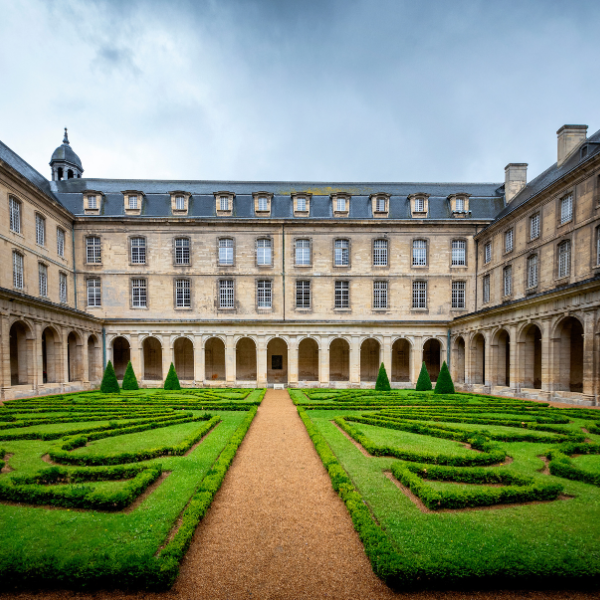
To understand William the Conqueror, you have to start with Caen. It was here that he established his power and asserted his role as a builder duke. With his wife Matilda, he had two major Romanesque architectural complexes built: the Abbaye aux Hommes and the Abbaye aux Dames, which are still bathed in a very special light today. Dominating the city, the vast ducal castle is a reminder of Caen's central role in Norman power. Today, the city combines medieval heritage with a contemporary lifestyle.
To prolong the atmosphere, visit the Vaugueux district and the creative peninsula.
Rouen, city of art and remembrance
Rouen, France
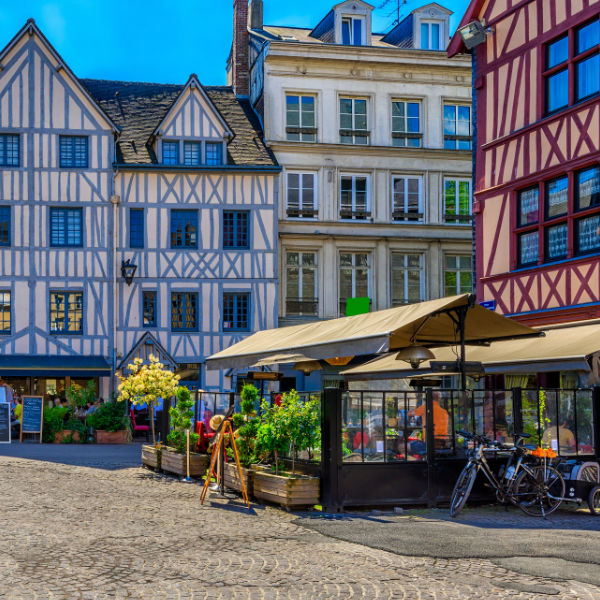
Here, history unfolds in the open air. Half-timbered houses, cobbled streets, and a monumental cathedral create a setting deeply rooted in the Middle Ages. William the Conqueror died here in 1087, leaving behind a lasting legacy. Today, the city combines heritage and cultural vitality, offering a sensitive approach to Normandy, between medieval memory and a city on the move. However, Rouen is best explored slowly, like an open book, between light-colored stone and reflections of the Seine.
Must-sees: the Museum of Fine Arts, then the panorama from Sainte-Catherine Hill.
Paris, in the footsteps of royal power
Paris, France
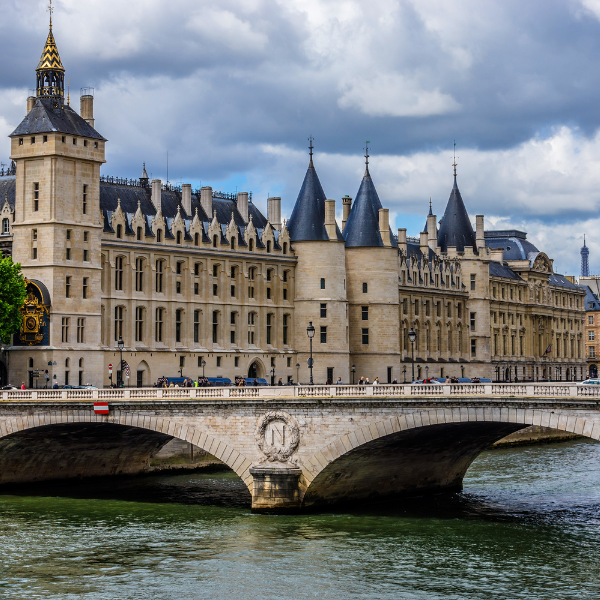
The story takes on another dimension. Power can be seen in the architecture as well as in the silence of the places. Within the walls of the Conciergerie or under the vaults of the Sainte-Chapelle, one can imagine the exchanges between William the Conqueror and King Henry I. This stage reminds us that the Norman duke's rise to power was part of a game of alliances and strategies on a kingdom-wide scale. Paris sheds light on the political dimension of a destiny that was destined to transcend regional boundaries.
Don't miss: the area around Notre Dame, the old canonical district, and the historic bridges.
Epic landscapes and charming villages
Domfront: a citadel perched high above
Domfront, France
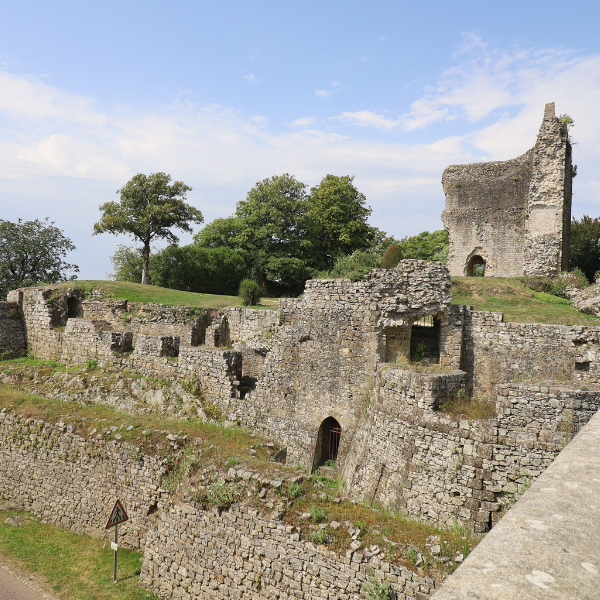
Dominating the Normandy hills of the Orne department, Domfront occupies a major strategic position. Its fortress once controlled Maine, a key territory in the expansion of Norman power. The view stretches far across rural, hilly Normandy, which remains almost untouched. Today, the site invites visitors to contemplate and understand the geographical challenges of the Middle Ages.
Must-sees: the belvedere, the Tertre Sainte-Anne trails.
Lillebonne: a ducal palace in the heart of the Seine Valley
Lillebonne, France
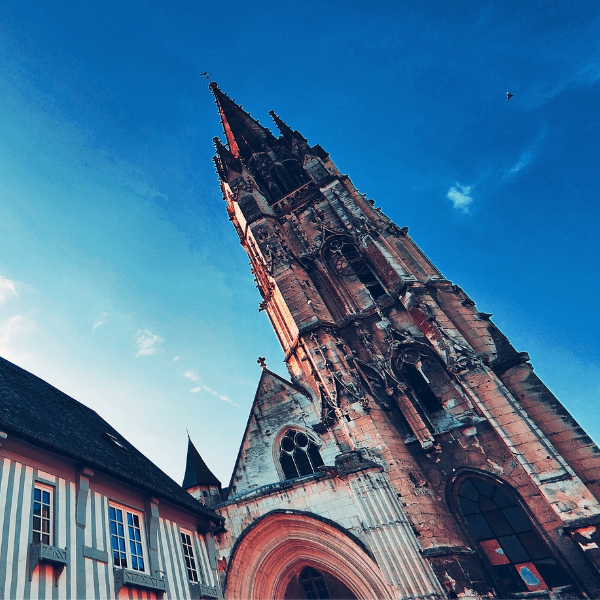
Although less prominent today, Lillebonne was once an important center of ducal power. It is a key site for understanding the political organization of medieval Normandy. William the Conqueror gathered his advisors there and prepared his campaigns. The remains of the medieval castle and the Gallo-Roman theater bear witness to the historical continuity of the site, between ancient heritage and Norman affirmation.
Must-sees: the ruins of the medieval castle, the Gallo-Roman theater, and the old town center.
Le Mans: gateway to Maine
Le Mans, France
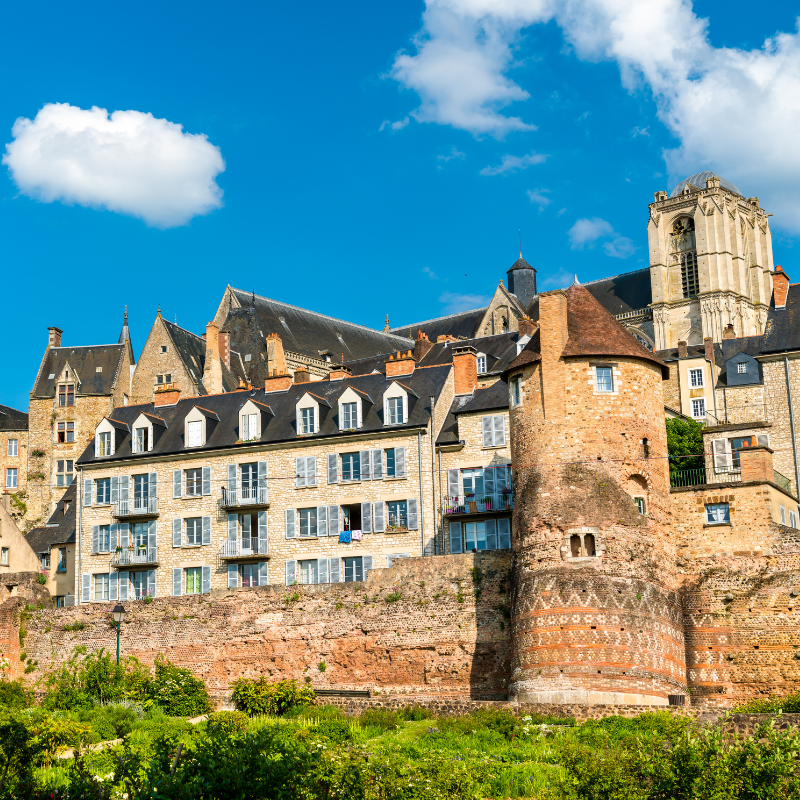
In the heart of the Pays de la Loire region, the city of Le Mans stands out for the richness of its Cité Plantagenêt, a remarkably well-preserved medieval quarter. Gallo-Roman ramparts, cobbled streets, and medieval houses form a coherent whole. The city can be explored on foot, through a succession of narrow passageways and open viewpoints. It was in this region, at the heart of a strategic territory linking Normandy and the Loire Valley, that decisive campaigns were fought for William the Conqueror.
Must-sees: the monumental enclosure, Saint-Julien Cathedral, the Maison du Pilier-Rouge, and the gardens of Vieux Mans.
Abbeys, forests, and mysteries
Cerisy-la-Forêt: the abbey in the middle of the woods
Cerisy-la-Forêt, France
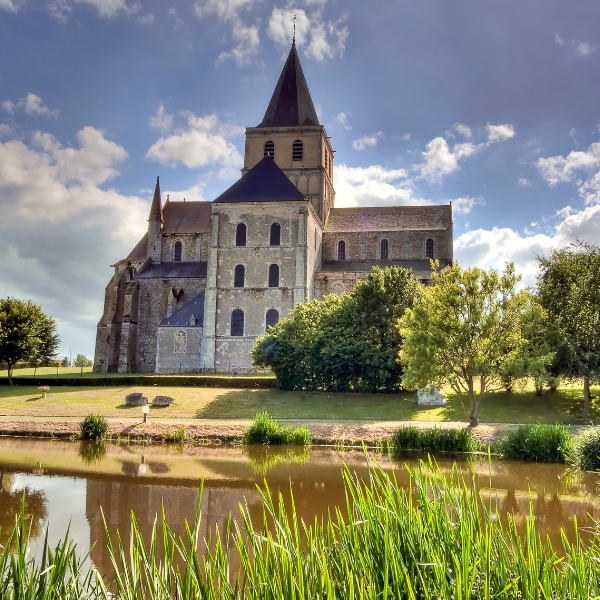
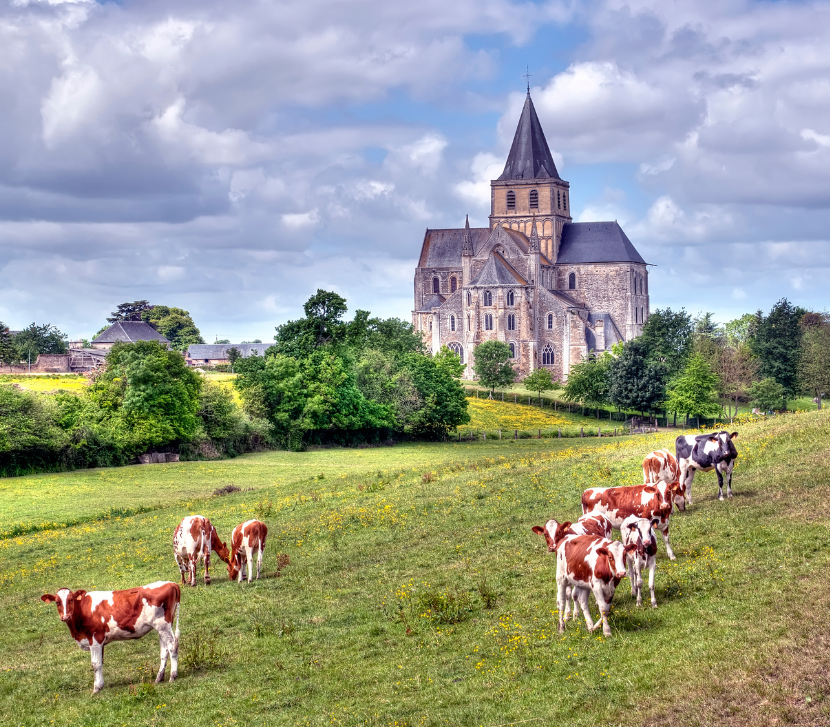
Nestled in the heart of a deep Norman forest, Cerisy-la-Forêt Abbey recalls the essential role played by religious communities in medieval Normandy. Supported by the lineage of William the Conqueror, today it offers a peaceful setting where Romanesque architecture and nature complement each other with simplicity. The silence is punctuated by the wind in the trees and the hushed footsteps of visitors.
Things to do: stroll through the park, enjoy summer exhibitions and concerts.
Mortemer: ruins and legends
Mortemer, Lisors, France
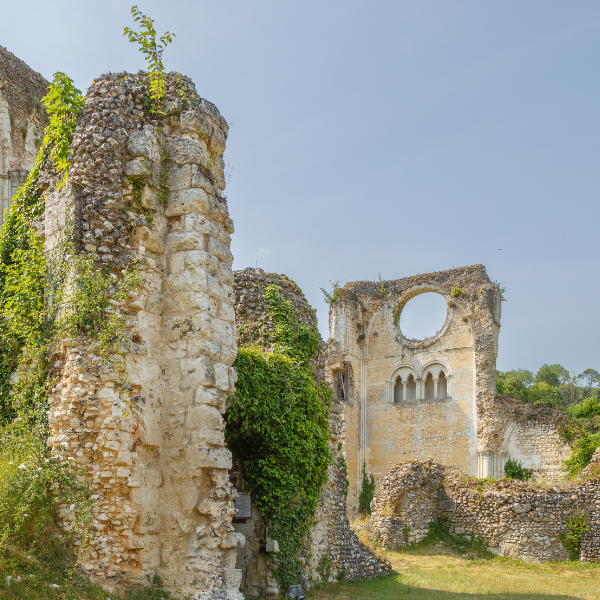
Also in Normandy, Mortemer Abbey reveals a more secretive atmosphere. Romantic ruins, a silent pond, and ancient tales create a place steeped in imagination. The light changes quickly, accentuating the sense of mystery that surrounds the site. Here, the Middle Ages can be perceived through the stones as much as through the legends.
Things to do: the night tour “The Ghosts of Mortemer.”
Living history and immersive experiences in Calvados
Falaise: a castle in augmented reality
Falaise, France
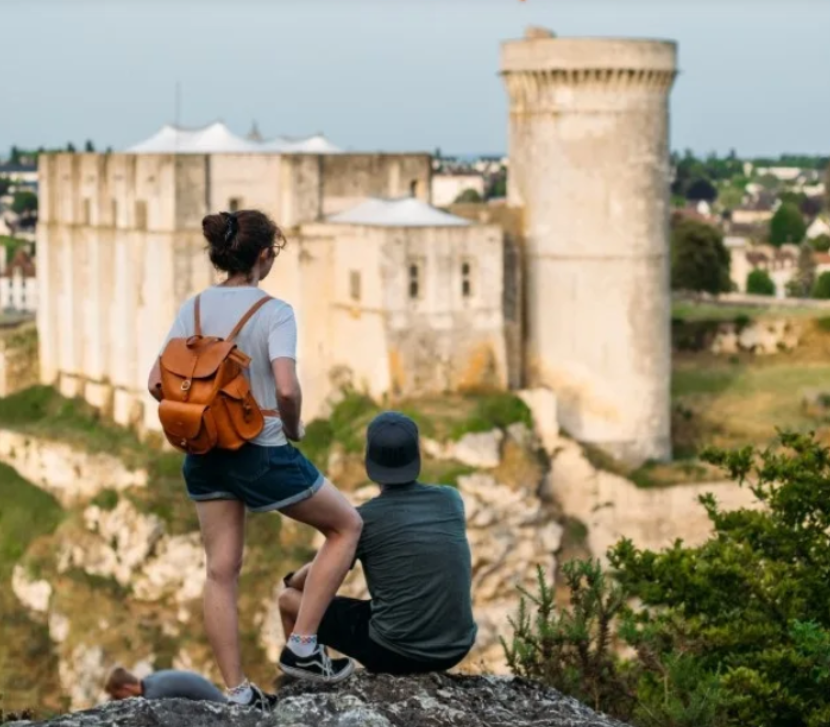
Birthplace of William the Conqueror, Falaise Castle offers an immersive approach to medieval history. Here, the story returns to its origins, where it all began. Thanks to augmented reality, the site brings 11th-century life back to life with clarity and precision, making history accessible to all.
Must-see: the medieval city, the Ante Valley.
Bayeux: the fresco that tells an epic tale
Bayeux, France
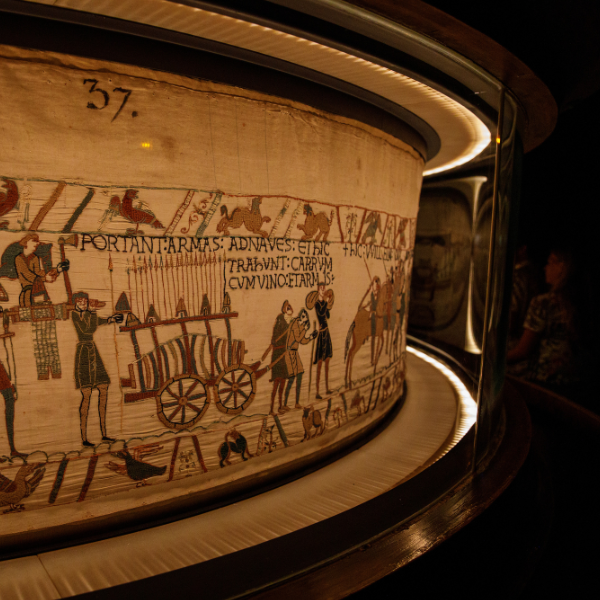
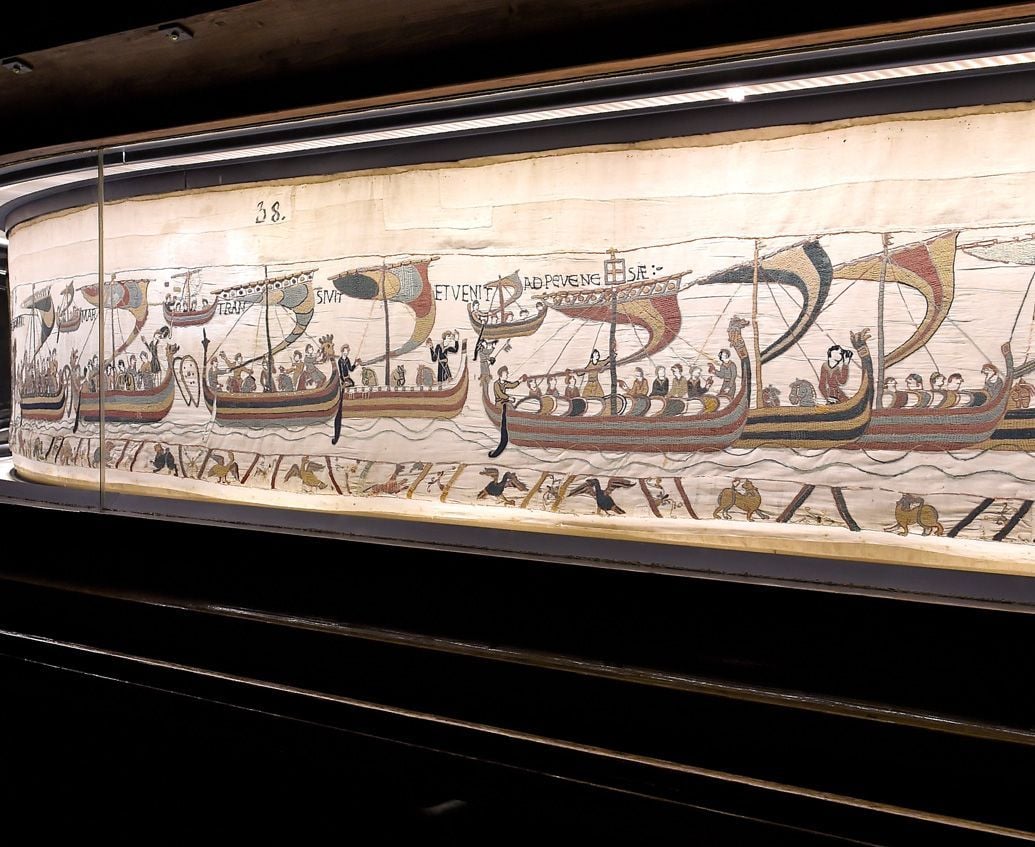
The famous Bayeux Tapestry unfolds the conquest of England like a long visual narrative. Over nearly 70 meters, scenes of battles, sea crossings, and moments of power compose a unique story, classified by UNESCO. Even without knowing the history, you will be captivated by the power of the embroidered narrative.
Must-sees: the cathedral, the botanical garden.
Dives-sur-Mer: a port ready to weigh anchor
Dives-sur-Mer, France
History sets sail. It was from this port that the Norman fleet set off for England in 1066. Walking through the old town, you can still feel the collective enthusiasm and daring of this founding expedition. The journey continues naturally, towards the sea and the horizon.
Must-sees: the covered market, the Village d'Art Guillaume-le-Conquérant.

By The editor
The editorial staff of France.fr follows the trends and news of destinations to bring you stories from France that reveal its innovations and traditions that make you long to (re) discover its territories.