Experience the Guadeloupe Islands, a French archipelago in the heart of the Caribbean where European comfort meets tropical beauty. Enjoy breathtaking beaches, lush rainforests, vibrant Creole culture, and authentic French art de vivre, with French and Creole widely spoken throughout the islands.
Traveling is easy, with the euro as the local currency, no departure tax, and an 8.5% VAT already included in prices. Visitors will find modern infrastructure, welcoming hotels, and convenient ferry connections, making it easy to explore all six islands at your own pace.
From world-class diving and hiking to unforgettable festivals, local cuisine, and hidden beaches, here are 10 reasons to visit the Guadeloupe Islands this summer.

Island Hopping of all flavors
With each island located a mere 20-50 minutes by boat from the others, the Guadeloupe Islands archipelago is a premier island-hopping destination. The very efficient ferry network makes it possible to visit another island just for the day, although with accommodation available on all five islands, changing hotels when changing islands allows for more extended stays on each one and more opportunities to discover their many different flavors.
Soft-sand beaches in three colors
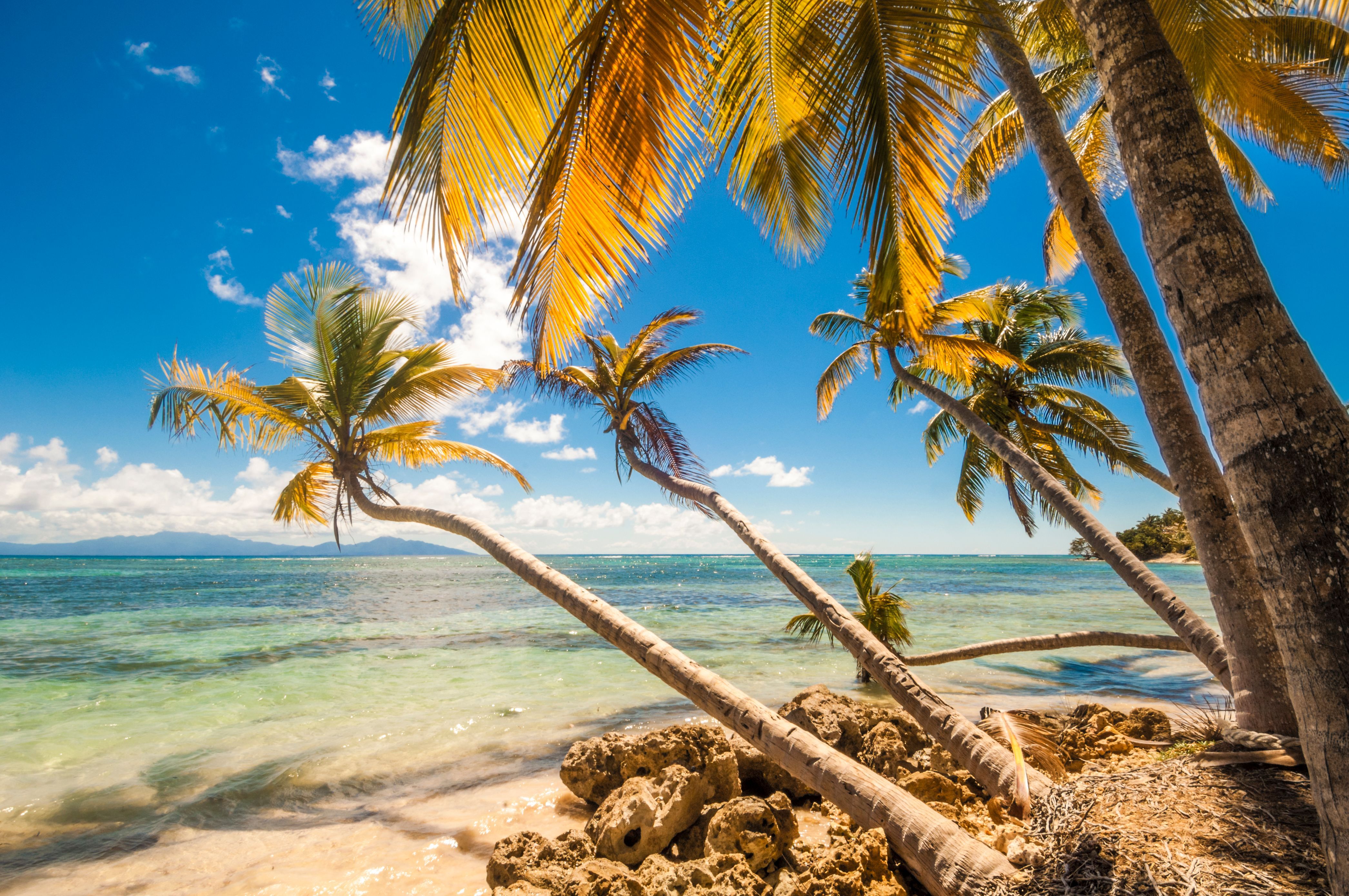
The Guadeloupe Islands beaches, though always fringed with turquoise or emerald waters, come in distinct colors: gold, white and black, with a few that are even pinkish. On the south side of Basse-Terre, Rocroy Beach is notable for its beautiful volcanic black sand. For golden sand, the fabulous Grand-Anse beach is located in Deshaies in the north of Basse-Terre. The Sainte-Anne beaches in Grande-Terre are famous for their clear waters and white sand. Small, big, secluded, family or nudist-friendly, on an islet or covered by nature, each beach in the Guadeloupe Islands is unique.
La Soufrière Volcano
La Soufrière is the mildly active volcano the summit of which reaches 4,813 feet above sea level (it is the highest peak in the Lesser Antilles). Every year, as part of the Raid of Guadeloupe, 750 racers take to the Volcano Trail, a highly technical circuit with three levels of difficulty. While the extremely diverse natural environment makes the Guadeloupe Volcano Trail unique, there are alternatives for less extreme hikers, like the Maison de la Forêt trail or the Saut d’Eau of Matouba.
The Bay of Les Saintes
Discover one of the Most Beautiful Bays in the World, Les Saintes is located on the northwest coast of the island of Terre-de-Haut. Three forts overlook the bay: Fort Josephine on the Cabrit Islet, the Batterie de la Tête-Rouge between l’Anse Galet and l’Anse du Fond Curé, and, most importantly, Fort Napoleon built on Pointe Coquelet. Located 374 feet above sea level, the Vauban-style Fort Napoleon is a 15-minute walk from the dock. Once also an anchorage for pirates and buccaneers, Les Saintes Bay was the scene of many battles between the French and the English from the 17th to 19th centuries.

A Rich Cultural Heritage:
Pointe-à-Pitre, the New Orleans of the Caribbean
Like a timeless town, with its beautiful and colorful traditional Creole houses, decorative iron balconies, warm street atmosphere, lively markets and the reverberations of Caribbean music, Pointe-à-Pitre is evocative of New Orleans. It has even been certified since 1994 as a City of Art and History by the French Ministry of Culture. The story of Pointe-à-Pitre comes to life through visits of St-Pierre and St-Paul Church, Place de la Victoire, St-Jones Perse and other museums. Pointe-à-Pitre is also the ideal location for shopping and the port of call for many cruises ships such as Costa, MSC, Clipper, Club Med 2 etc.
Gwoka
Music, song, dance and cultural practice representative of Guadeloupean identity is now inscribed on the UNESCO List of the Intangible Cultural Heritage of Humanity since summer 2014. Gwoka is found among all ethnic and religious groups of Guadeloupean society. It combines responsorial singing in Guadeloupean Creole, rhythms played on the Ka drums and dancing. In its traditional form, Gwoka unites these three areas of expression and emphasizes individual qualities of improvisation. The participants and public form a circle in which dancers and soloists enter in turn and perform, facing the drums. The public claps and takes up the chorus from the soloist. For moreon Gwoka visit theUNESCO Intangible Cultural Heritage Site
Rum in the Guadeloupe Islands
Guadeloupean rum, called rhum, is treasured by both locals and connoisseurs for its high quality and signature taste, a result of time-honored distilling traditions still used today. Rhum Agricole is especially coveted for its pure, unique and intoxicating flavor, as it is distilled from fresh sugarcane juice, as opposed to molasses. There are nine distilleries offering tours and tastings. One must-have drink on any tour or at any bar in Guadeloupe is Ti-Punch. Also notable, for its 2013 gold medal for quality and flavor, is the Rhum Agricole Damoiseau, crafted in the Damoiseau Distillery in Le Moule on Grande-Terre. It is currently available in NY, NJ, CT, MA, DC and FL.
Cousteau Reserve
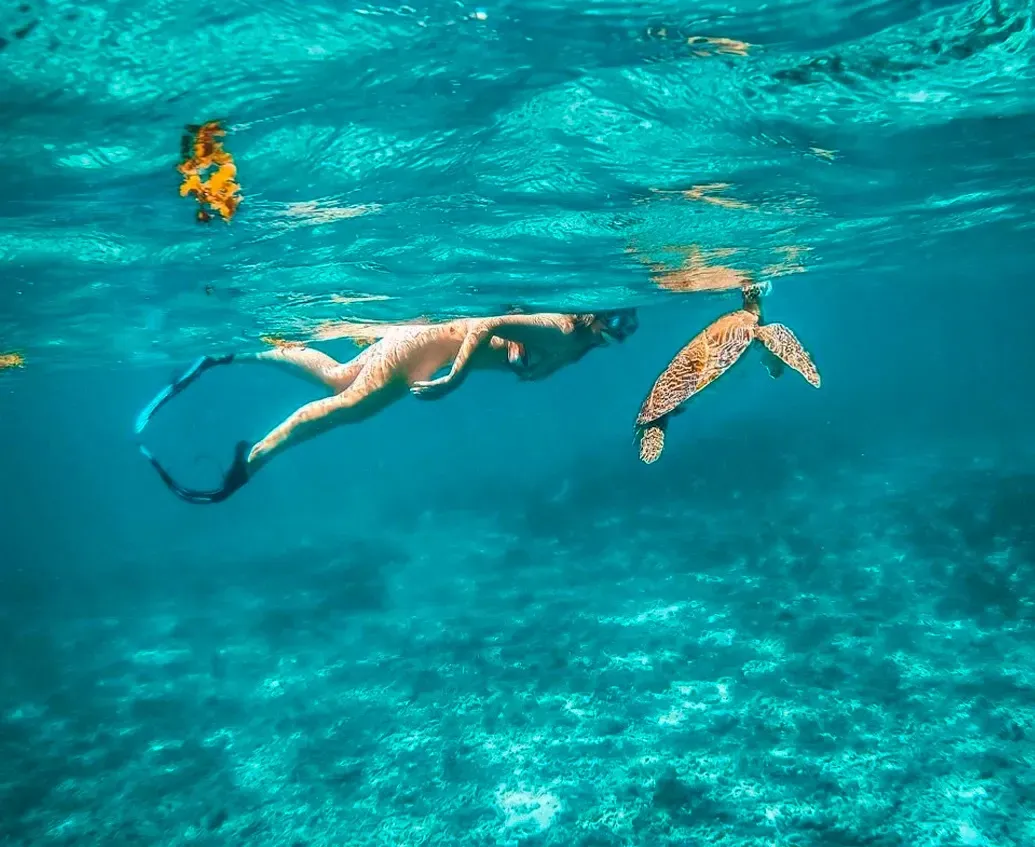
The Cousteau Reserve is located around the Pigeon Islands off the commune of Bouillante. In 1955, Captain Jacques-Yves Cousteau filmed several scenes of his feature film “The Silent World” (“Le Monde du Silence”). Fascinated by the site’s vast biological diversity, he encouraged the site's protection as a reserve – a task that was undertaken by Guadeloupe’s authorities. Today the reserve is a must-see site for divers exploring the Guadeloupe archipelago and keen to find the underwater statue of Cousteau.

A Rich Culinary Heritage
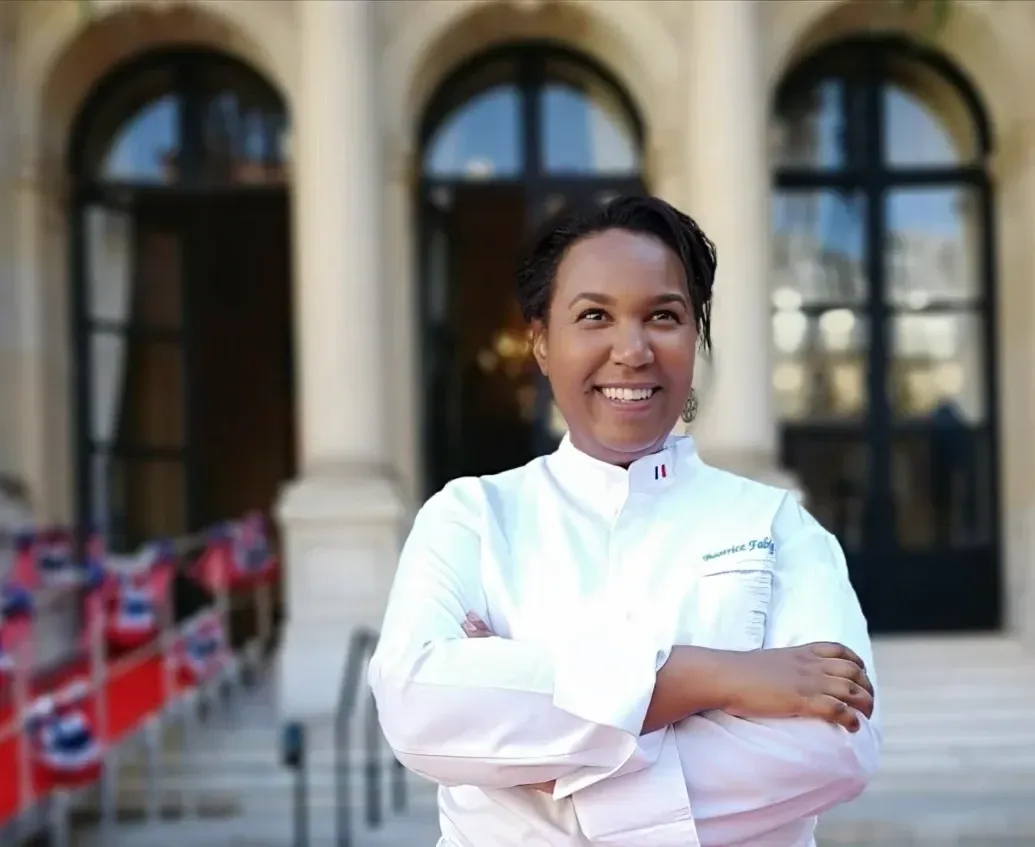
Guadeloupe’s cultural melting pot and variety of spices have given rise to a rich culinary heritage on display everywhere from Creole restaurants to the street stands selling bokits (Creole sandwiches). Creole cuisine – a fusion of Caribbean, European, Indian, African and Oriental cultures – places an emphasis on products from the sea and the variety of fruits and vegetables found at the vibrant day and night markets. French savoir-faire mixed with Caribbean flavors is impossible to ignore at the 200 restaurants across all five islands. The majority of the chefs pursue their training in France, but many from the south of France have settled in Guadeloupe, bringing with them their cultures. They are creatively inspired by the fresh and flavorful ingredients to deliver unique gourmet experiences.
Excellent bread, pastries, butter, cheese, wine and champagne
French art de vivre is alive and well in the Guadeloupe Islands. People wake up to croissants and baguettes, enjoy cheese and wine against a sunset backdrop the color of “grilled lobster” and passion fruit sauce, and savor champagne while their feet trail in the water. There is, of course, an extensive selection of French wines, including from Bordeaux and Champagne.
Four-Star Hotels
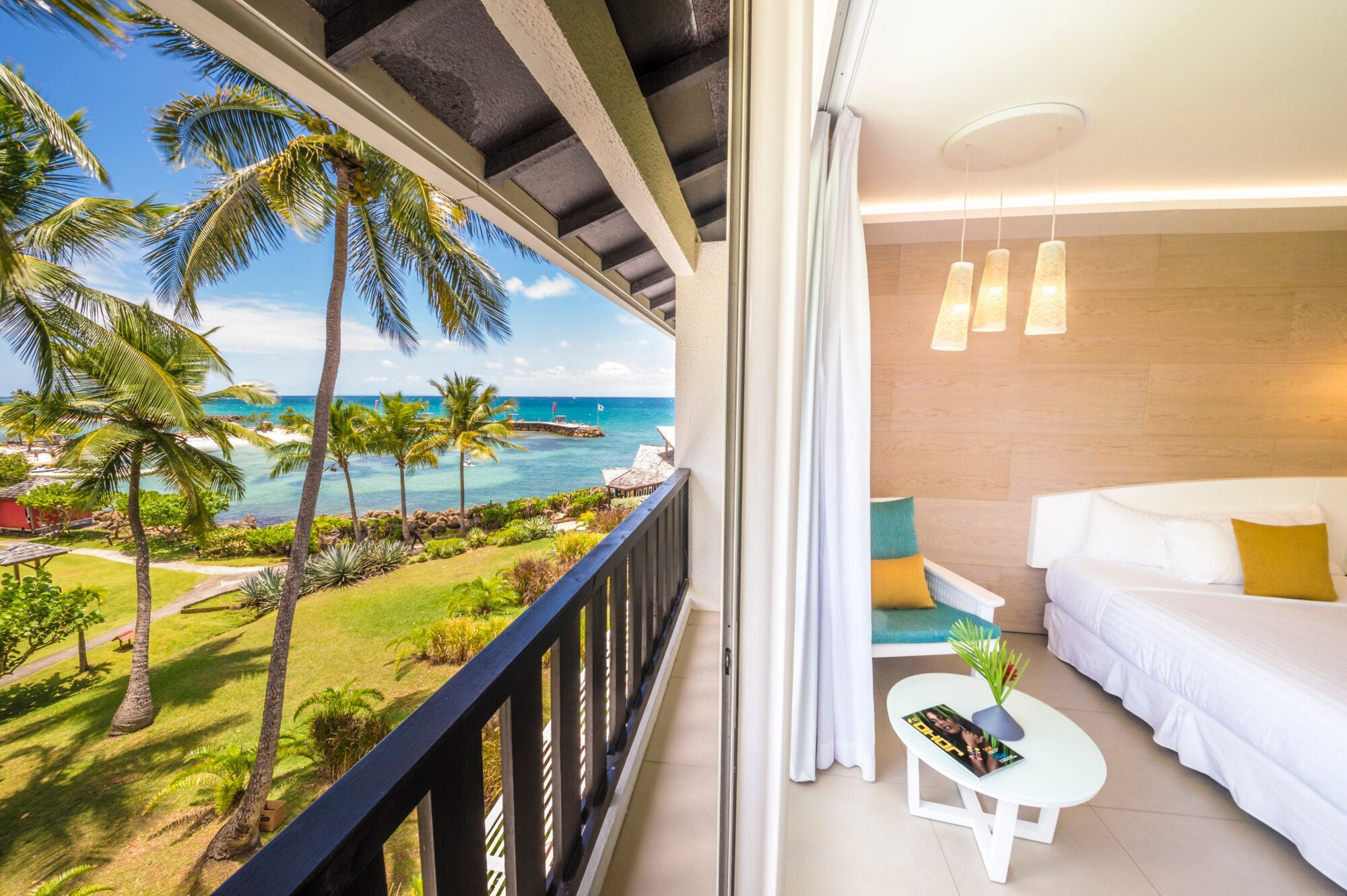
To perfect any visitor's experiences, the Guadeloupe Islands offer quality accommodation in keeping with the warm and peaceful atmosphere. Often near the beach but always in great settings, the hotels and villas of the Guadeloupe Islands offer many activities to ensure good times.
Featured Hotel Offers
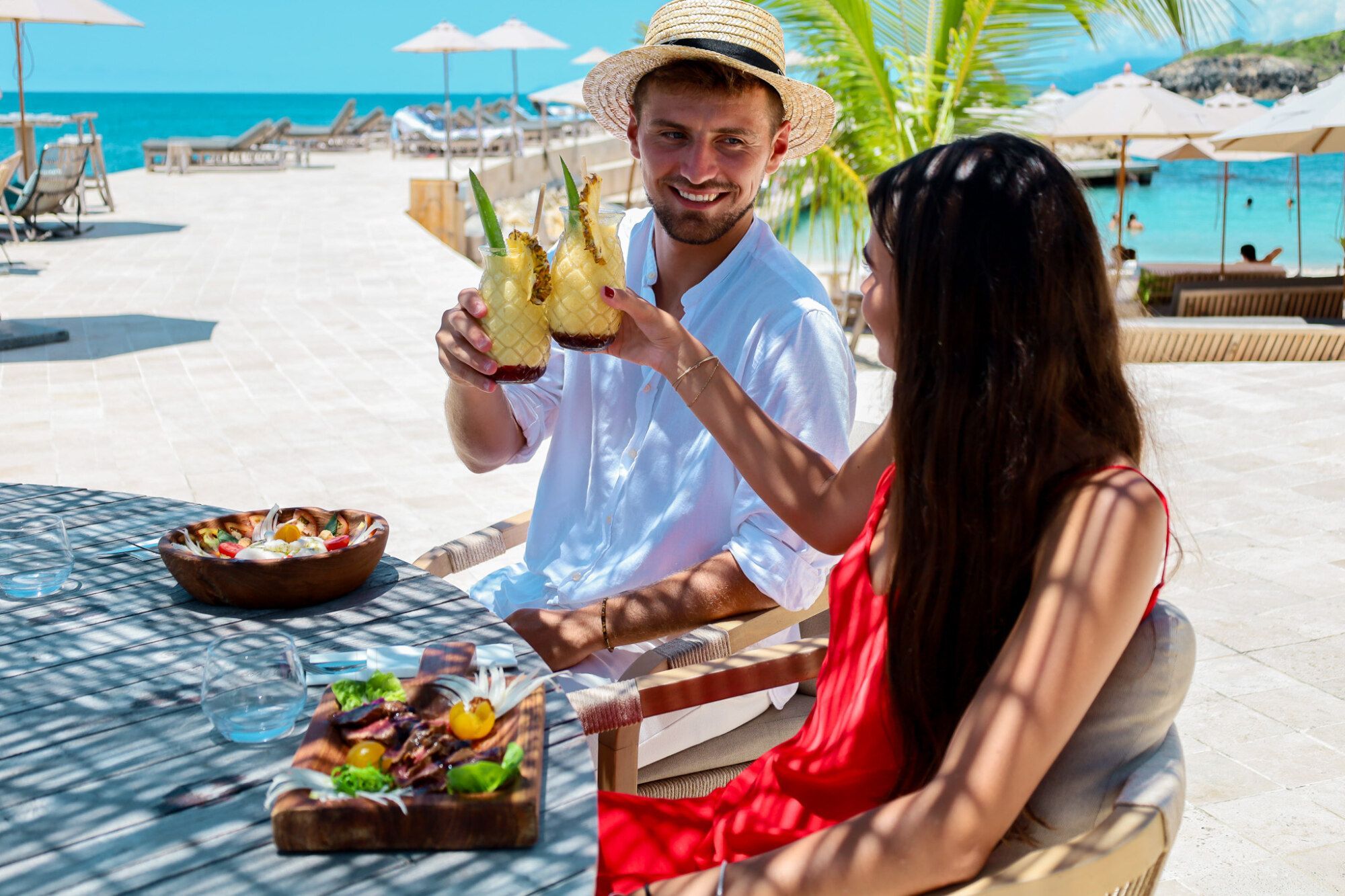
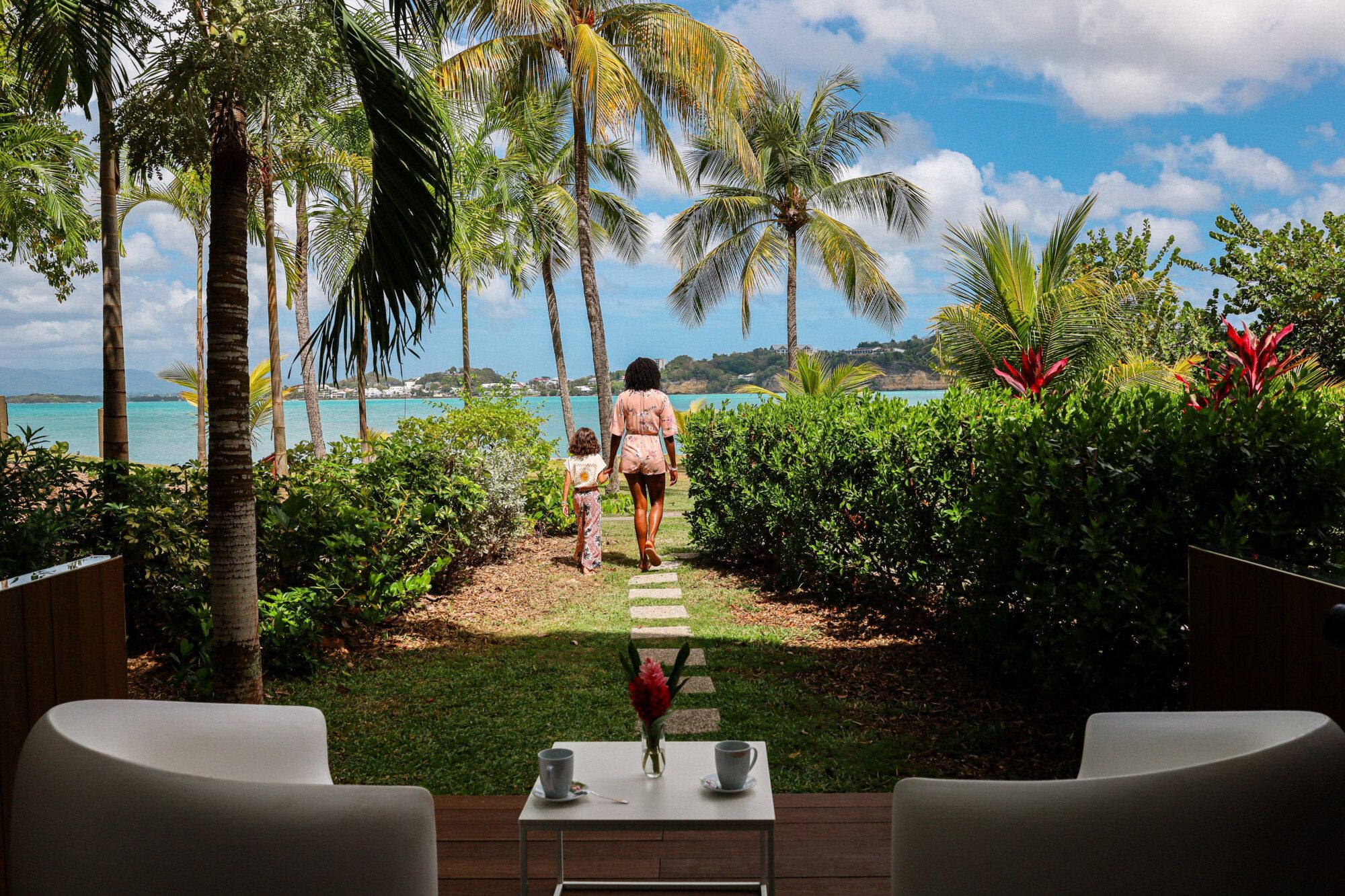
Whether you are looking for a beachfront resort, a luxury retreat or an intimate hideaway surrounded by nature, the Guadeloupe Islands offer accommodations for every style of traveler. Discover three exceptional properties and take advantage of special summer offers.
Find out more


By France.fr
The magazine of the destination unravels an unexpected France that revisits tradition and cultivates creativity. A France far beyond what you can imagine…