
A World-Class Collection of Military History
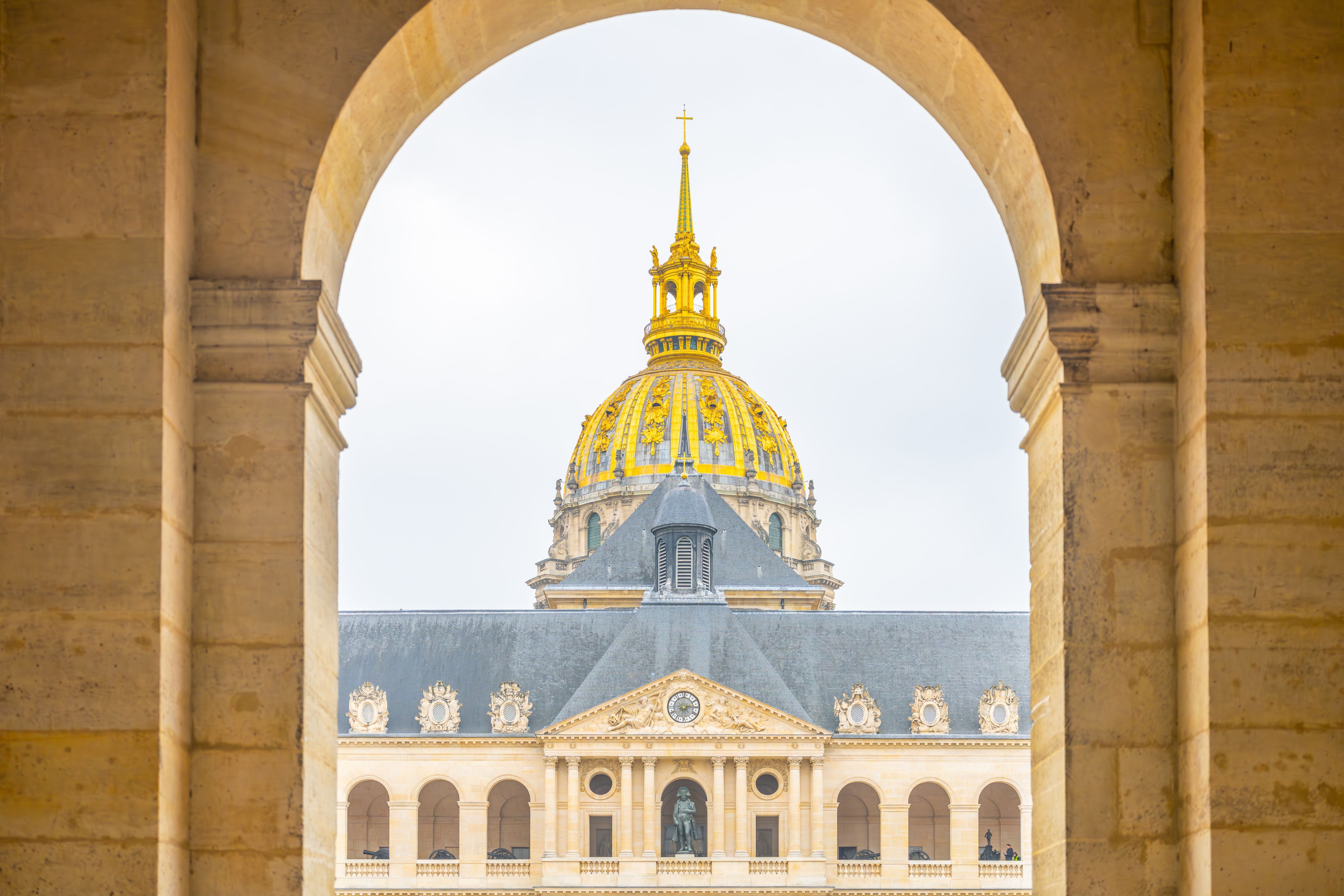
Built beginning in 1670 by architect Libéral Bruant in the classical French style, the Hôtel des Invalides was originally conceived as a military hospital. Today, the priceless collections of the Musée de l’Armée – Hôtel national des Invalides, spanning from the Middle Ages to the present day, offer visitors a fully modernized journey through the military history of France.
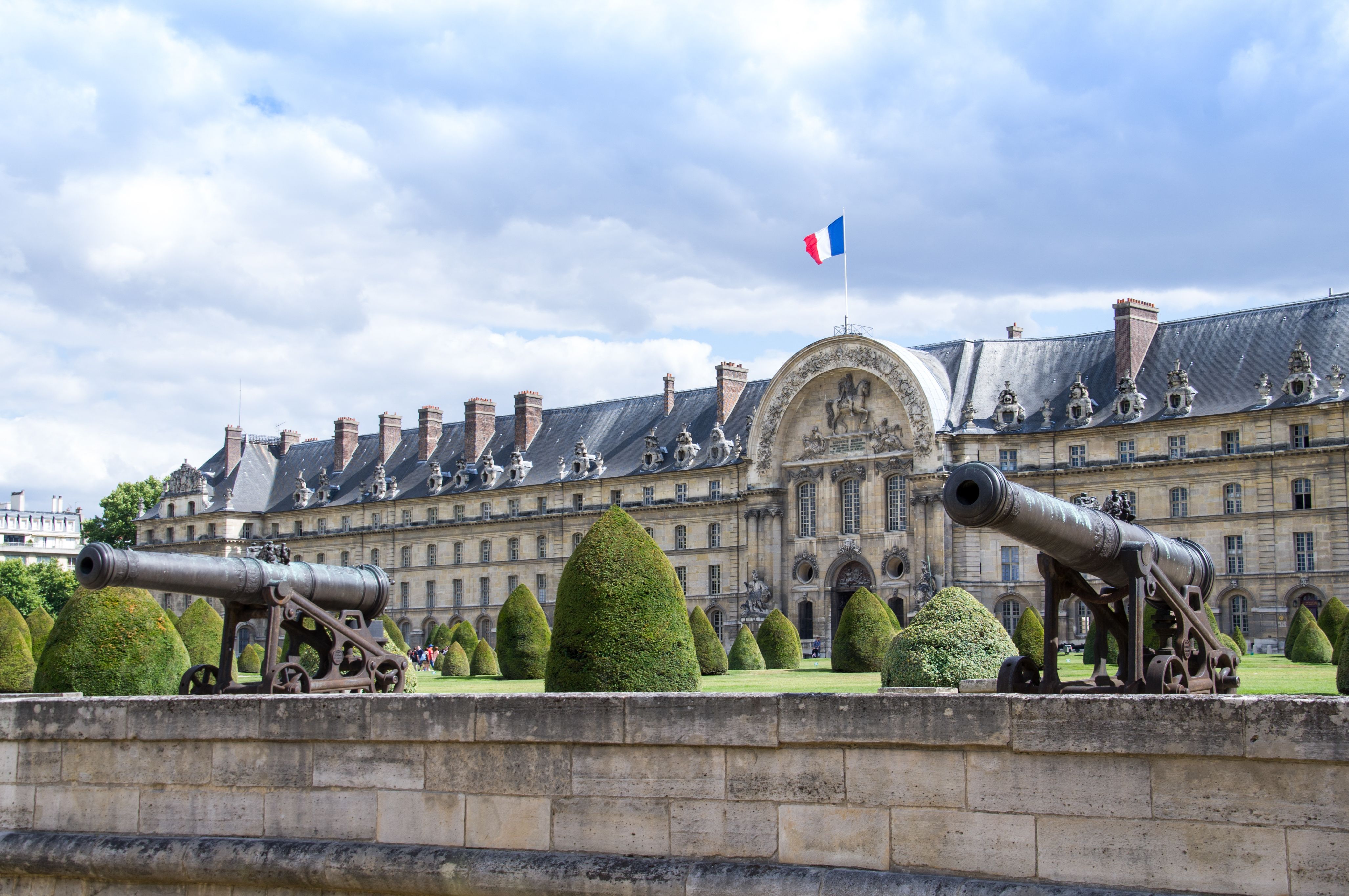
Soldiers’ Lives from Louis XIV to Napoleon III
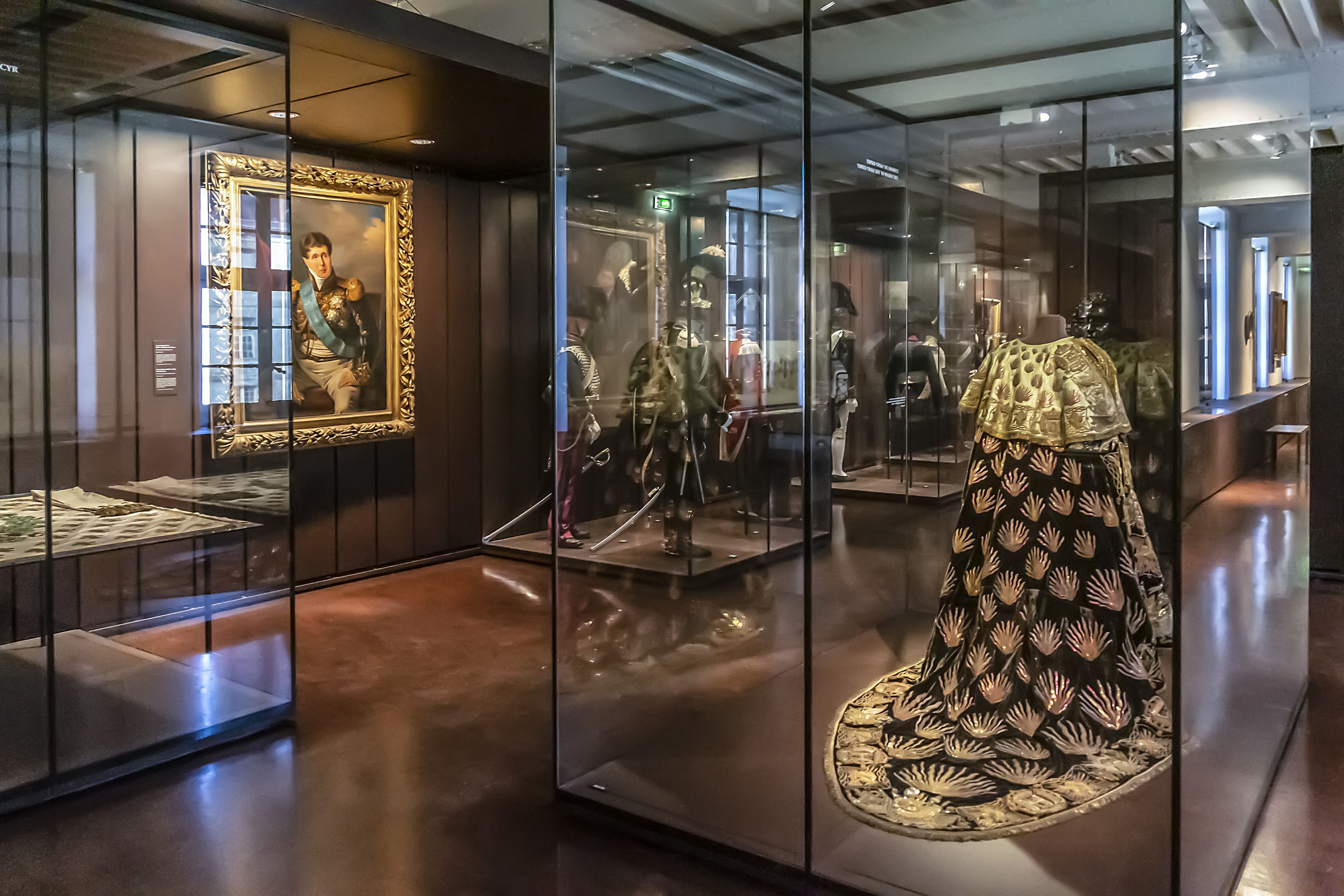
Royal armor and weapons, swords, artillery pieces, uniforms, emblems, paintings, photographs, and personal belongings of major historical figures illustrate centuries of conflict, innovation, and military life. The diversity, scale, and chronological breadth of these collections make the Musée de l’Armée one of the world’s leading museums of military art and history.
From the reign of Louis XIV to the era of Napoleon III, the museum’s recently renovated “Modern History” galleries devote significant space to the lived experience of soldiers on the battlefield. Paintings, weapons, and exceptionally preserved uniforms—including that worn by Napoleon III at the Battle of Solferino in 1859—offer insight into life at the front. Visitors can also discover Vizir, Napoleon I’s purebred Arabian horse, presented through an extraordinary restoration that brings the animal vividly back to life.
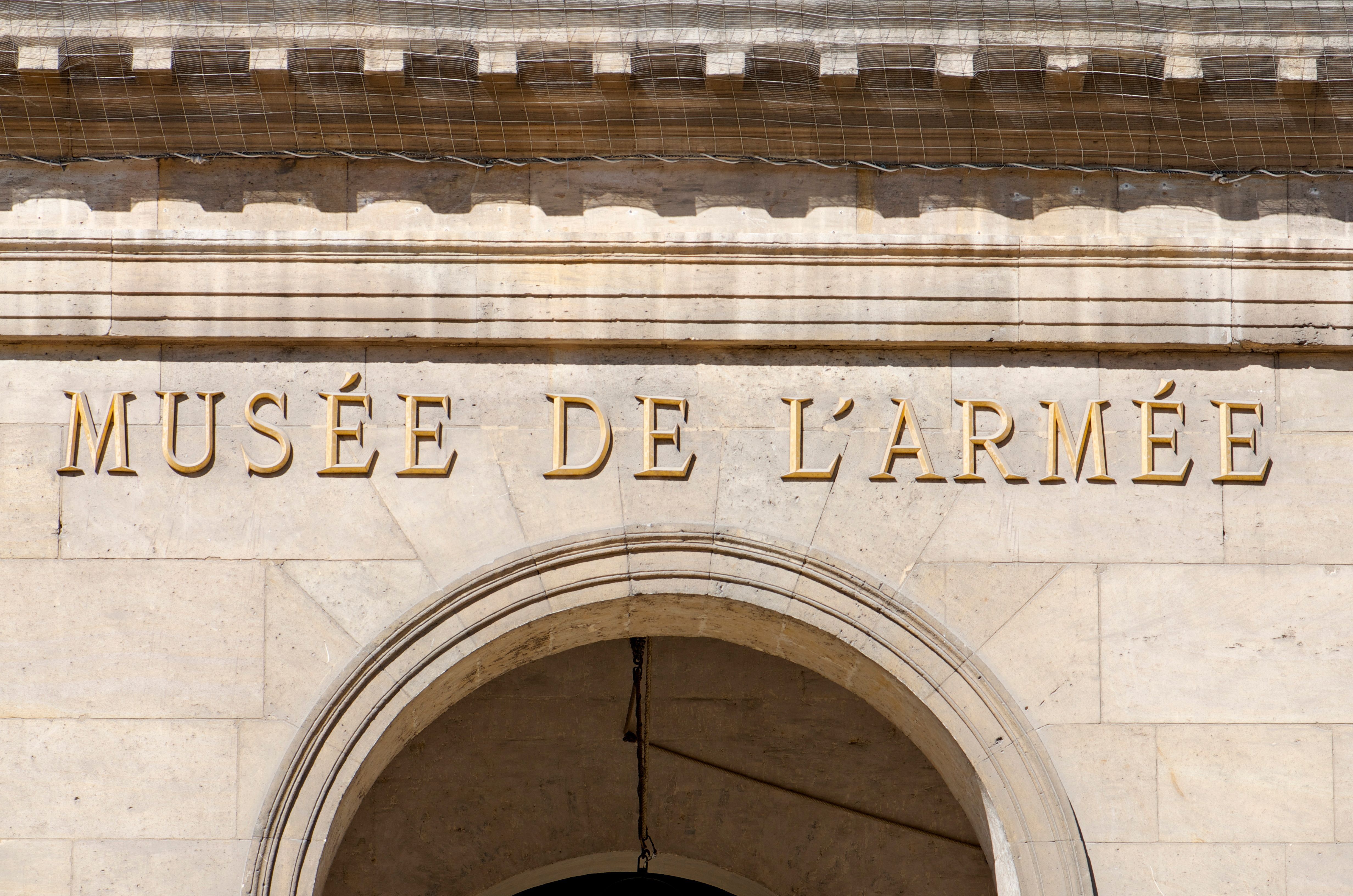
Lafayette and the Birth of the Franco-American Alliance
Within this broader narrative of French military history, the museum also reflects the enduring ties between France and the United States. The legacy of Marquis de Lafayette, emblematic figure of the Franco-American alliance forged during the American War of Independence, anchors the shared ideals of liberty and independence that first united the two nations. His story forms an essential link between the revolutionary era and later chapters of transatlantic cooperation.
The First World War: A Nation Transformed
The First World War occupies a central place within the museum. Four dedicated galleries allow visitors to understand why this conflict so deeply marked those who lived through it, both on the front lines and on the home front. The exhibition begins in the aftermath of France’s defeat in 1871, when a spirit of revanche fueled an unprecedented rebuilding of the French army and placed patriotism at the heart of civic values.
Weapons and equipment on display illustrate how the Industrial Revolution profoundly transformed the conditions of warfare, while also conveying the extreme brutality endured by combatants. In contrast, personal objects belonging to soldiers restore an emotional and human dimension to the conflict. The collections also highlight the diversity of the belligerents and the multiplication of battlefronts that transformed what began as a European war into a truly global one. A section titled “Mourning and Victory” offers a nuanced assessment of the conflict’s outcome. Archival film footage and a wide range of educational materials give context and meaning to the uniforms, weapons, vehicles, and personal effects displayed in the galleries. Walls of posters and photographs—many drawn from private collections—illustrate themes specific to the conflict. Among the highlights are a Marne taxi, a model of front-line trenches, and the bugle used to announce the Armistice of November 11, 1918.
Remembering the Great War: Archives, Objects, Memory
The museum’s World War II galleries further echo this history of shared sacrifice, highlighting the decisive involvement of American forces in the liberation of France. Together, these collections underscore a transatlantic relationship built through centuries of cooperation, from the American Revolution to the global conflicts of the 20th century.
Access
Via the Esplanade des Invalides: 129 rue de Grenelle
Via Place Vauban
Address
Musée de l’Armée – Hôtel national des Invalides
129 rue de Grenelle
75007 Paris
Tel.: +33 (0)8 10 11 33 99


