Modern travel has become louder, faster and more performative. From overcrowded landmarks to restaurants designed as social-media backdrops, many trips now demand unwavering attention as well as constant documentation. The pressure to see more, do more and share more can turn what should be restorative experiences into something exhausting.
Although France has its tourist traps and falls into its own stereotypes of culture and fashion, it nonetheless offers a different relationship to time, noise and presence. France brings a sort of balance in a society shaped by stimuli.
The appeal of slowing down
Long lunches, fixed mealtimes and unhurried service are ingrained in French culture which might test the impatient but truly rewards those willing to be present with it. Giving yourself permission to linger. To return to the same cafe. Being spontaneous allows you to discover a city through a different lens and truly soak in the environment.
Whenever I return to my hometown in Bordeaux, I find myself doing exactly that – walking along the Garonne by the Quays near Place de la Bourse, then stopping and sitting at the same café, watching the street unfold and observing people move through the city. Slower rhythm of life and travel stripped back to its most fulfilling form!
During a recent conversation on neurodiversity and travel, journalist Yousif Nur, founder of JourneyEase, a sensory-aware travel initiative, raised a simple but telling question: “What keeps people awake at night when they’re travelling?” His answer was not destinations or experiences, but stress - particularly the cumulative strain of transitions, crowds and uncertainty.
France’s travel culture, with its predictable rhythms and emphasis on routine, confidently counters that strain, with light structure and a grounding feeling.
When travel gets too loud
Many contemporary destinations equate atmosphere with volume. Music fills hotel lobbies, restaurants and even shops, leaving little space for conversation or stillness. Over time, this constant restlessness can make travel feel demanding rather than enjoyable.
“Why does everything need to be so loud?” Yousif asked during our discussion. “Why does there need to be music everywhere - in hotel lobbies, in restaurants, even in shops?”
France often resists this logic. Cafés hum rather than roar. Restaurants prioritise conversation over soundtrack. Public spaces allow for quiet without discomfort. These are small design and cultural choices, but they fundamentally change how a place feels.
Nature as part of everyday travel
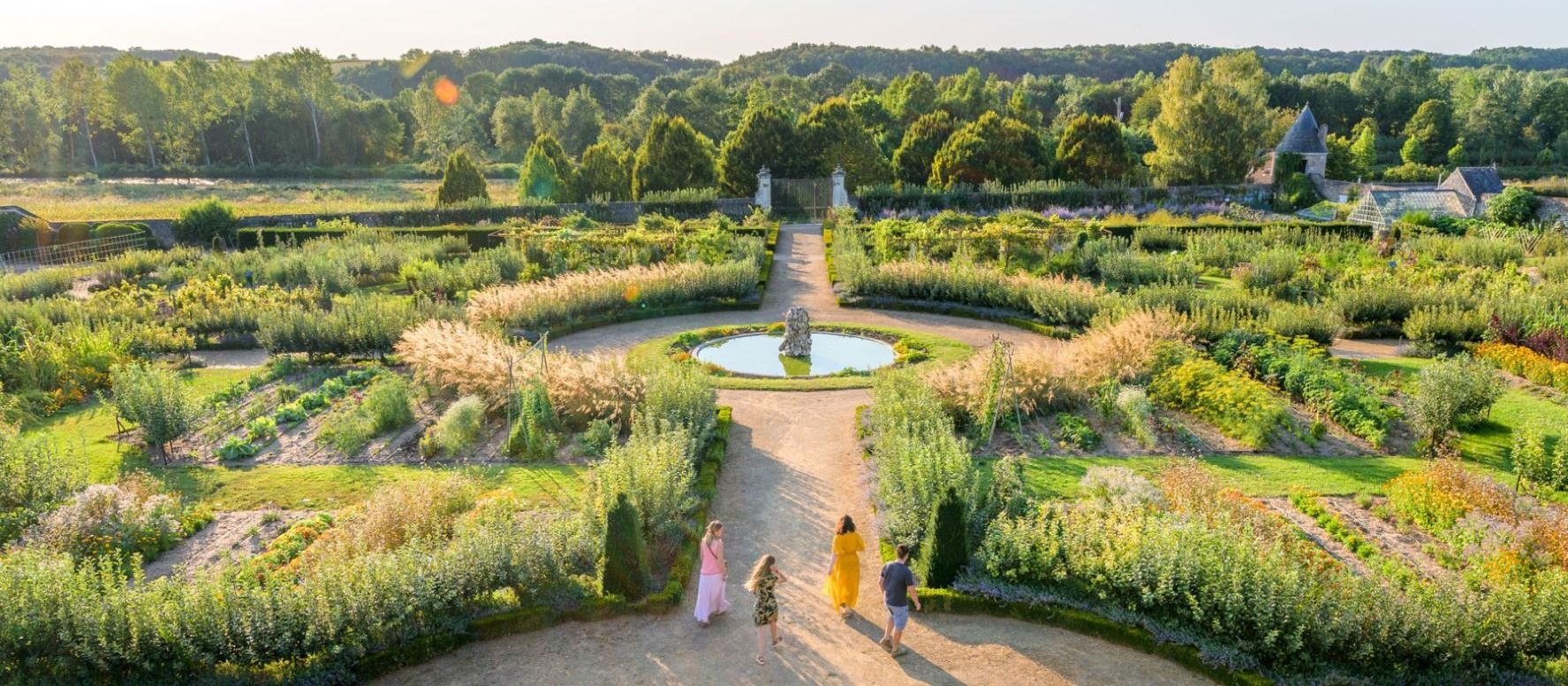
Another defining feature of travel in France is how seamlessly nature is integrated into daily life. Forests, vineyards, coastal paths and countryside are not framed as wellness “activities” but as accessible extensions of place.
“You step into nature and it’s like you escape the matrix,” Yousif reflected, describing the contrast between digital overload and natural environments.
From coastal walks in Brittany to forested regions such as the Vosges or Morvan, France offers landscapes that gently push travellers to slow their internal pace as well as their itinerary. Even cities provide proximity to green and blue spaces, allowing for moments of reset without requiring retreat.
Beyond the highlight reel
Social media has reshaped not just how we travel, but why. Experiences are increasingly chosen for visibility rather than meaning, filtered through the logic of virality and comparison.
“Everyone seems to be angling for visibility online,” Yousif observed. “Restaurants, destinations… everything’s designed to go viral. And it’s exhausting.”
France, by contrast, lends itself to experiences that hold back on performance. A market visit, a neighbourhood bakery, an evening spent at a local café - moments that are fleeting, sensory and deeply personal.
In this sense, France offers a form of travel that values presence over proof, rewarding not the image, but the feeling.
Who is this kind of travel for?
It would be easy to frame calmer travel as niche - something only certain travellers need or seek. But the conversations happening around neurodiversity, mental health and sensory overload suggest otherwise.
As Yousif pointed out, an estimated one in seven people is neurodivergent - and many more experience heightened sensitivity to noise, crowds or unpredictability without ever using that label. Add digital fatigue, post-pandemic burnout and the pressures of constant connectivity, and the desire for quieter, more balanced travel begins to look far less marginal.
A different definition of richness
During our conversation, Yousif reflected that many of the stresses people associate with travel are not inevitable. They are the result of environments designed without enough thought for how people actually move, think and feel. When pace is moderated, noise reduced and expectations softened, travel begins to feel less like something to endure and more like something to inhabit.
France offers this almost incidentally. Through walkable towns, accessible nature and social rituals that prioritise presence over performance, it invites travellers to reconnect - not only with the place, but with themselves.
In an overstimulated world, this approach feels quietly radical. Not necessarily through transformation but allowing space for calm attention. And perhaps that is what many travellers are seeking now - not more experiences, but better ones.

By Kimberley Rino Lightfoot
Content Coordinator at Atout France and Travel Writer.


