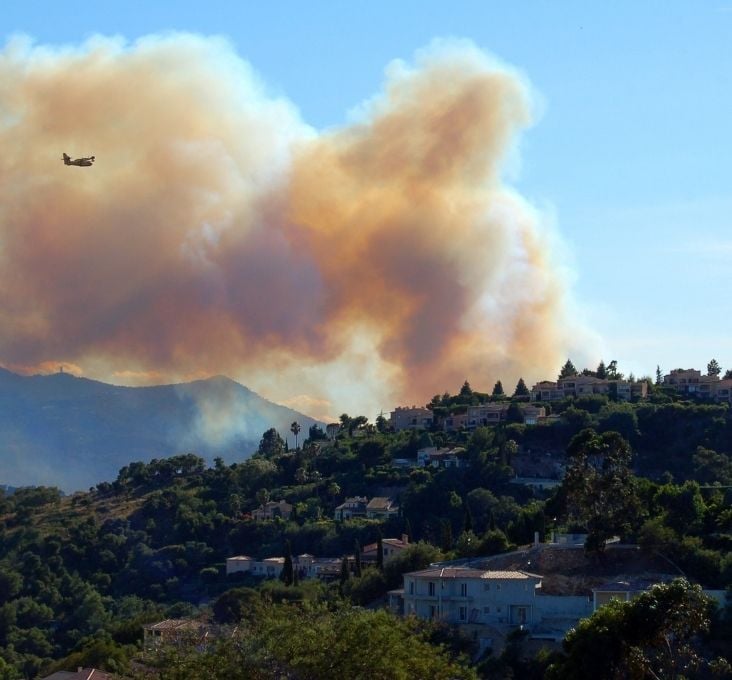
Heatwaves, wildfires, flooding, storms and winter snow or icy conditions can occasionally affect travel in France. Whether you're planning your trip or already at your destination, a few simple precautions can help you travel safely. Explore our practical tips for adapting your plans, protecting the natural environment and making the most of your stay.
Wildfires in Gironde and the Landes: The Latest Situation
Latest update
Since 22 July 2026, several wildfires have affected parts of south-west France, including areas of Gironde and the northern Landes. At present, the fires are no longer spreading, with the exception of two remaining hotspots, although they have not yet been officially declared extinguished. Access restrictions remain in place in certain forested and natural areas.
The vast majority of the Nouvelle-Aquitaine region remains open to visitors and continues to welcome travellers. Before travelling to Gironde or the Landes, check the latest travel information, follow guidance from the local authorities, and contact your accommodation provider if your stay is in an affected area.
Plan Ahead and Stay Informed
Like many European countries, France can experience periods of severe weather and natural events. These are usually localised and temporary and do not necessarily disrupt an entire trip. With a few simple checks, you can often adapt your itinerary or activities and continue to enjoy your stay.
Météo-France's weather alert system uses four colour-coded warning levels - green, yellow, orange and red - to indicate the level of risk. Orange and red alerts require particular caution and may result in restrictions on travel, access to certain areas or outdoor activities. Before setting out on an excursion or journey, check the latest weather warnings and any updates issued by the local prefecture for your destination.
In the event of an immediate threat, FR-Alert, France's national mobile alert system, can send emergency notifications to mobile phones within the affected area. These alerts may provide instructions to shelter in place, avoid certain areas or, if necessary, evacuate as a precaution.
Heatwaves and High Temperatures
As a result of climate change, heatwaves are becoming more frequent and intense in France. Travelling during a heatwave is still possible, provided you adapt your schedule, travel plans and activities. Before heading out, check the forecast temperatures and the latest Météo-France heatwave warnings.
To stay safe during periods of high temperatures:
- Plan sightseeing and travel for the early morning or evening, when temperatures are generally cooler.
- Drink water regularly, even if you don't feel thirsty, and avoid alcoholic drinks.
- Take regular breaks in cool or shaded places and cool down whenever possible.
- Wear lightweight clothing and protect yourself from the sun with a hat, sunglasses and suitable sunscreen.
- Avoid strenuous physical activity, and postpone hikes, outdoor sports or long sightseeing visits until the coolest part of the day.
- If you or someone else becomes seriously unwell, call 15 or 112 for emergency assistance.
By adapting your itinerary and opting for museums, historic landmarks or other indoor attractions, you can continue to make the most of your stay. You can also find further advice on staying safe during a heatwave.
Wildfire Safety
During periods of drought or extreme heat, the risk of wildfires can increase. To help prevent fires and protect visitors, access to certain forests and natural areas may be restricted or temporarily closed. These measures usually apply only to specific locations and do not necessarily affect your entire trip.
Before heading out into a natural area:
- Check the Forest Weather Forecast (Météo des forêts) and the website of the local prefecture for the latest information.
- Respect any road, trail or forest closures, even if your GPS suggests an alternative route through the affected area.
- Never smoke, light a fire or use a barbecue in natural areas or near vegetation.
- Never approach a wildfire to observe it, take photographs or film it.
- If you spot the start of a fire, move away from the area immediately and call 112 or 18, giving the location as accurately as possible.
- If a wildfire breaks out, follow all instructions issued by the authorities through their official websites and social media channels, as well as any alerts sent via FR-Alert, France's national mobile emergency alert system.
If a forest or natural site is closed, the local tourist office can recommend alternative outdoor activities or nearby cultural attractions. If your accommodation is evacuated, follow the instructions of the authorities first, then contact your accommodation provider or booking platform to discuss any relocation or rebooking options.
What to do in the event of a wildfire
Heavy Rain and Flooding
Heavy rainfall can sometimes lead to localised flooding, particularly in valleys, near rivers and streams, or in low-lying areas. It may also disrupt road and public transport networks. Before travelling to an affected area, check the latest Météo-France rain and flood warnings, Vigicrues river level information, as well as updates from the local prefecture and transport operators.
If heavy rain or flooding is forecast:
- Limit travel if advised to do so by the authorities, and respect all road, trail and site closures.
- Stay away from riverbanks, waterways, low-lying crossings and any areas that could flood quickly.
- Never attempt to cross a flooded road or path, whether on foot, by bicycle or in a vehicle, even if the water appears shallow.
- Do not enter basements, cellars or underground car parks during heavy rainfall.
- If an evacuation is ordered, follow the designated route and the instructions provided by the authorities without delay.
- Before travelling to your accommodation or a planned activity in the affected area, check access conditions with your accommodation provider or the local tourist office.
As disruption is often limited to specific areas, checking access before you set off and having an alternative route or activity in mind can help you continue to enjoy your trip safely.
Thunderstorms and Strong Winds
Thunderstorms and strong winds can develop quickly, disrupting outdoor activities, travel and access to certain tourist sites. Before setting off on a hike, heading into the countryside or mountains, or taking part in water-based activities, check the latest Météo-France thunderstorm warnings and local updates.
If severe weather is forecast:
- Postpone hikes, walks in forests or the mountains, and water-based activities until conditions improve.
- If a thunderstorm develops, seek shelter in a building or other safe location as quickly as possible, and avoid standing beneath isolated trees.
- Keep away from cliffs, ridgelines, temporary structures and any objects or equipment that could be blown over or become airborne.
- Limit travel where possible and respect any closures affecting parks, trails, tourist sites or visitor facilities.
- During heavy rainfall, never attempt to cross a flooded road or path, and avoid entering basements or underground areas.
- Follow advice and instructions issued by the local authorities and rail operators.
When weather conditions deteriorate, it's always safer to postpone an outdoor activity than take unnecessary risks. Closures are usually temporary, allowing you to resume your plans once conditions have improved.
High Waves and Coastal Inundation
Along the coast, high waves and temporary rises in sea level can make swimming, coastal walks, fishing and water sports dangerous. Before heading to the coast, check the latest Météo-France wave and coastal flooding warnings and follow any advice issued by the local authorities.
If hazardous coastal conditions are forecast:
- Do not swim or take part in water sports if the authorities advise against it or have prohibited these activities.
- Keep away from sea walls, piers, promenades, cliffs and other structures exposed to waves.
- Do not approach the shoreline to watch or photograph the waves when conditions are dangerous.
- Respect any beach, coastal path or road closures.
- Avoid walking or driving through areas that are already flooded or directly exposed to the sea.
Even when viewing the sea from higher ground, keep well back from the edge. A powerful wave can reach areas that may appear to be safe.
Snow, Ice, Cold Weather and Avalanches
Snow and icy conditions can disrupt roads, public transport and travel in cities, lowland areas and the mountains alike. At higher altitudes, extreme cold and avalanche risk may also restrict access to certain ski areas, mountain passes and hiking routes. Before you travel, check the latest Météo-France snow and ice warnings, road conditions on the Bison Futé website or app, and, if you're heading into the mountains, the latest avalanche risk forecast.
Before setting out:
- Check road and public transport conditions before you travel. In some mountainous areas, winter driving equipment (approved winter tyres, snow chains or snow socks) is mandatory from 1 November to 31 March. Always follow road signs, diversions and any traffic restrictions.
- Use the means of transport recommended locally and postpone your journey if conditions become hazardous.
- In the mountains, check the latest avalanche forecast and strictly respect any closures of ski slopes, trails or restricted areas.
- Do not leave marked, open routes without first seeking advice from mountain professionals.
- Pack warm, waterproof clothing, suitable footwear, drinking water and ensure your mobile phone is fully charged.
- Limit prolonged time outdoors during periods of extreme cold, particularly if travelling with young children, older people or anyone who may be more vulnerable.
Winter conditions can change quickly, even in towns and cities. Check the latest local information before each journey and adapt your plans to the conditions on the day.
Rockfalls and Landslides
Cliffs, rocky slopes, gorges and certain walking trails may be exposed to rockfalls or landslides as a result of erosion and changing weather conditions, particularly after heavy rainfall, storms, or periods of freezing and thawing. On popular sites, larger numbers of visitors may be exposed to these risks. These events can occur both along the coast and in the mountains, so always pay attention to warning signs and any access restrictions.
When visiting these areas:
- Respect all warning signs, barriers and any closures affecting roads, beaches or walking trails.
- Never approach an unstable rock face or an area where rocks have recently fallen.
- Along the coast, keep well away from both the base and the edge of cliffs, even if you are stopping to admire the view or take photographs.
Pack an Emergency Essentials Kit
Some natural events, such as wildfires, flooding and storms, may require you to shelter in place, evacuate, cope with temporary travel disruption or manage short-term power and communication outages. If you're staying in an area that may be more exposed- particularly at a campsite, in the mountains or in a remote location - it's a good idea to keep a few essential items within easy reach.
Consider packing:
- Drinking water
- Non-perishable food that doesn't require cooking
- Any prescription medication
- A basic first aid kit
- A torch
- A power bank and phone charger
- Suitable clothing for the conditions
- Some cash
- Copies of important identity documents, such as your passport, stored in a waterproof pouch
If you're planning a longer stay in an area exposed to natural risks, consult the Géorisques 72-hour emergency kit checklist and adapt it to your destination, the season and the needs of everyone travelling with you.
Useful Information and Emergency Contacts
Before setting off on an excursion or journey, check the official sources relevant to the type of natural event or weather conditions you may encounter:
- Météo-France – Weather forecasts and official weather warnings.
- Forest Weather Forecast (Météo des forêts) – Daily wildfire risk levels.
- Géorisques – Information on natural risks, together with advice on how to prepare for and protect yourself.
- Vigicrues – River level monitoring and flood information.
- Local prefectures – Local safety advice, access restrictions, closures and traffic conditions for the department you are visiting.
- Bison Futé – Live road traffic and travel conditions across the French road network.
- SNCF Connect and other transport operators – Service updates and travel disruption information.
- Local or regional tourist offices – Advice on access to attractions and suggestions for alternative activities.
In an emergency, dial 112, the European emergency number, which can be used anywhere in France. You can also call:
- 18 – Fire and Rescue Service.
- 15 – Emergency Medical Services (SAMU).
If you are deaf or hard of hearing, 114 is France's dedicated emergency service and can be contacted by text message, mobile app or via the website.
For more useful contacts and practical guidance on what to do in the event of an incident during your stay, read our article about Ma Sécurité, the official public safety service provided by the French government.
This version is consistent with the rest of the guide, using clear, reassuring British English while keeping references to French services in their official names.

By Kimberley Rino Lightfoot
Content Coordinator at Atout France and Travel Writer.