Paris is a world in itself. Each of its neighborhoods feels like a different country waiting to be explored, from Montmartre to the Latin Quarter, passing iconic landmarks such as Notre-Dame Cathedral, the Eiffel Tower, the Arc de Triomphe, the Champs-Élysées, and the Jardin des Plantes. Every stone tells a story of art and culture, from the Louvre Museum to the futuristic Louis Vuitton Foundation. Paris is also a celebration of gastronomy and creativity, something chefs like Alain Ducasse and Pierre Hermé would certainly agree with.
Must-see highlights of Paris
Monuments and historic treasures
Notre-Dame and the Latin Quarter
A wonderful way to begin discovering Paris is on the Île de la Cité, the birthplace of ancient Lutetia. Here stands the magnificent Notre-Dame Cathedral, a masterpiece of Gothic architecture that has watched over the Seine for more than 850 years. Nearby, the Latin Quarter invites visitors to wander through layers of history. The Panthéon honors some of France’s greatest figures, while the Cluny baths and the ancient arenas of Lutetia reveal traces of the Roman past. Walking along Rue Mouffetard, the medieval character of the capital becomes visible in its charming façades and lively atmosphere.
Montmartre and the Eiffel Tower
In the north of the city, Montmartre preserves the spirit of a small village with its bohemian soul. Perched on a hill, this neighborhood captivates visitors with winding streets and lively squares such as the famous Place du Tertre, where painters and caricature artists gather. Just behind it, from the dome of the Sacré-Cœur Basilica at 130 meters above sea level, the panorama of Paris stretches across the horizon and rivals the famous view from the Eiffel Tower.
From the Arc de Triomphe to the Grand Palais
Following the traces of the Paris 2024 Olympic Games
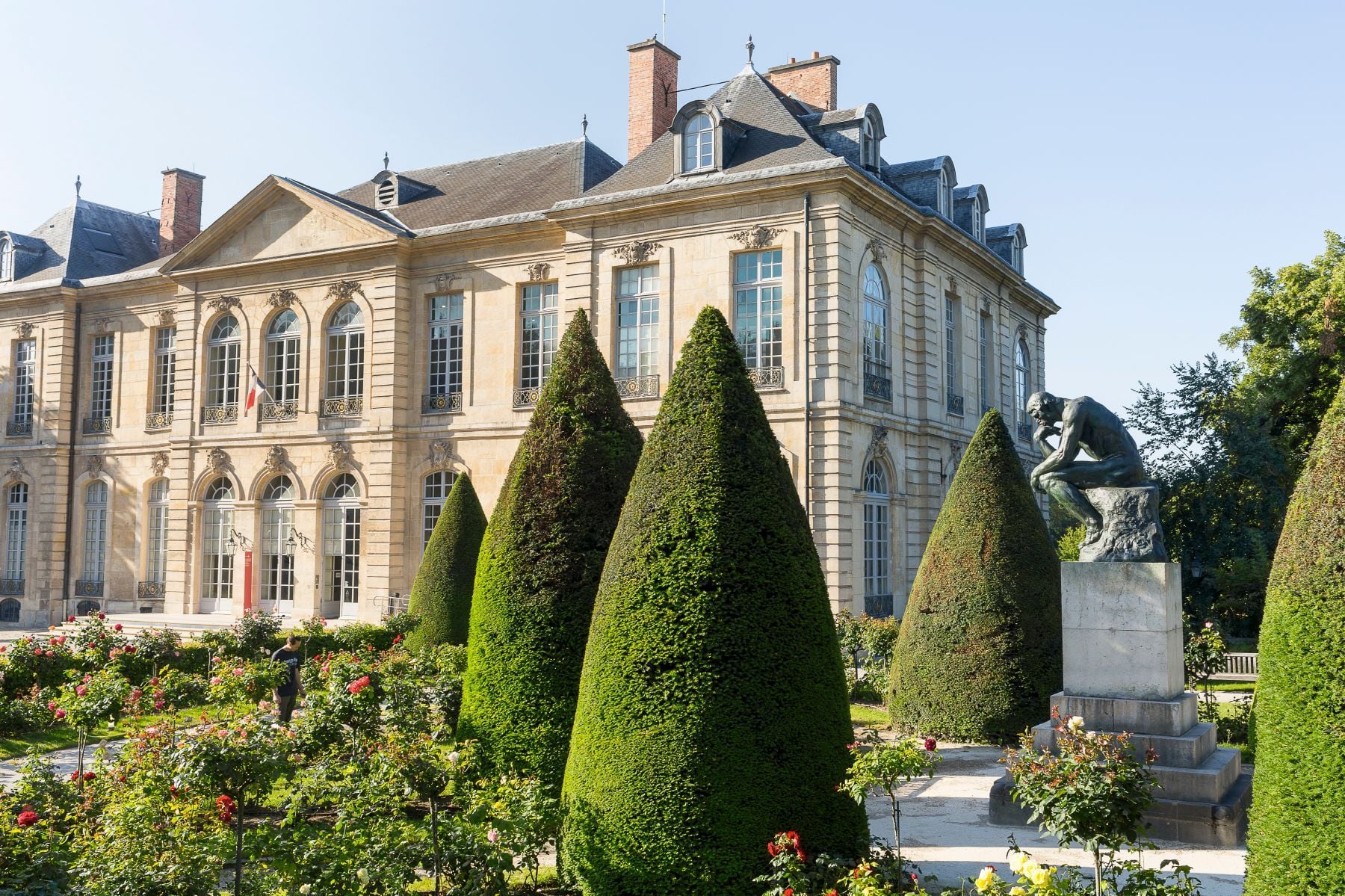
The Tuileries Garden, a symbol of the classic French formal garden, offers a beautiful starting point for an artistic walk inspired by the Paris 2024 Olympic and Paralympic Games. Along its paths stand sculptures by Maillol and Rodin, while the nearby Louvre Museum houses one of the richest art collections in the world. Walking across the garden leads naturally to the Grand Palais, where major exhibitions take place.
From the Place de la Concorde, the perspective is striking. The Champs-Élysées stretches for nearly two kilometers, lined with elegant terraces and boutiques, all the way to the monumental Arc de Triomphe.
Theaters, museums and cabarets
Crossing the Seine via the elegant Pont des Arts brings visitors to the Musée d’Orsay. Housed in a majestic former railway station, the museum displays some of the greatest masterpieces of Impressionism.
Contemporary art and immersive experiences
Paris is also a city of modern creativity and innovation. In the Parc de la Villette stands the Cité des Sciences et de l’Industrie, the largest science museum in Europe and a fascinating destination for curious minds. In the Bois de Boulogne, a striking glass and steel structure designed by Frank Gehry seems to float among the trees. This is the Louis Vuitton Foundation, an icon of contemporary art.
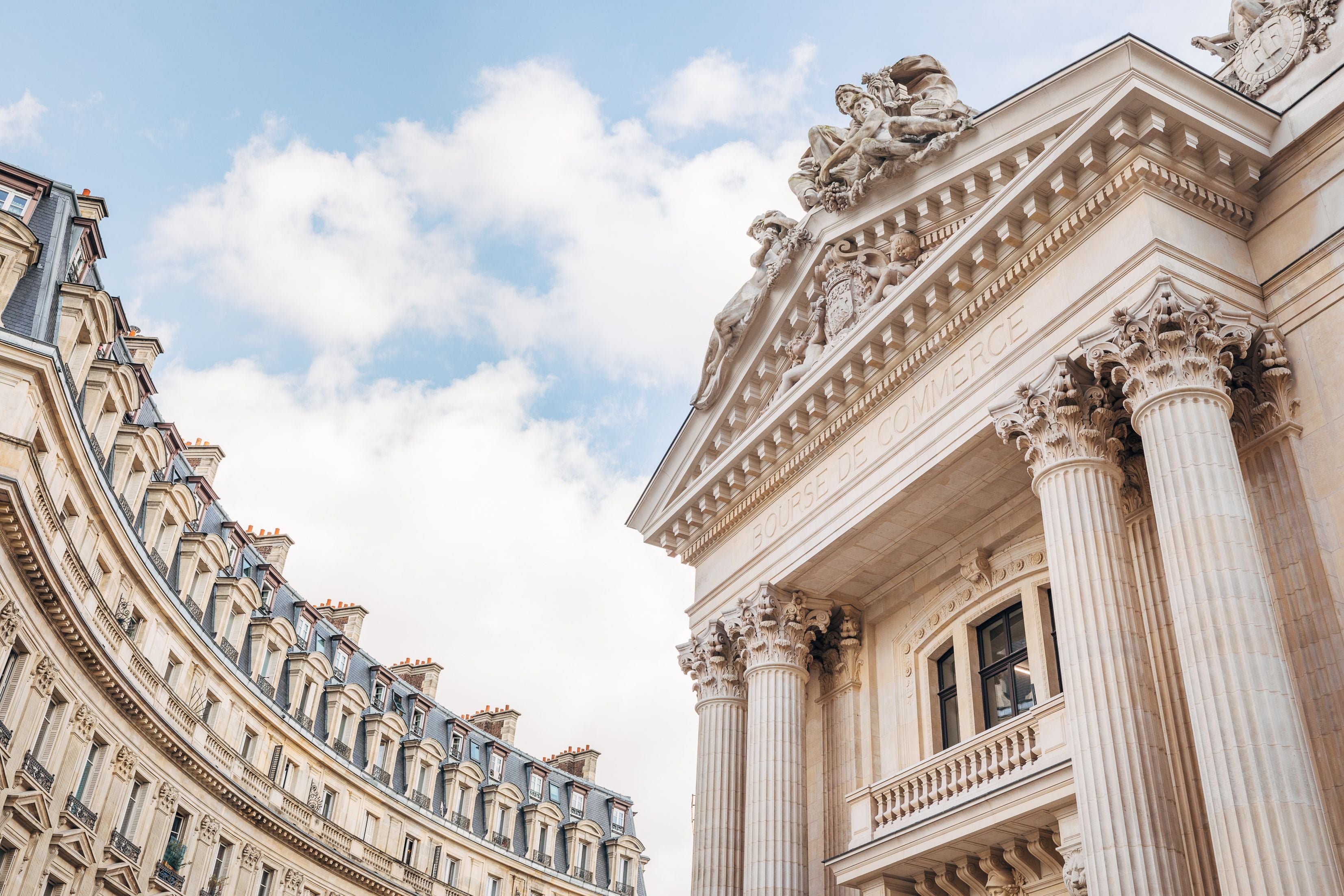
Modern artistic energy can also be discovered at the Bourse de Commerce, home to the Pinault Collection, and at the Atelier des Lumières, a former industrial foundry transformed into a digital art center where immersive exhibitions bring paintings to life.
Opera houses and music venues
The cultural experience in Paris extends far beyond museums. Concert halls, opera houses and theaters bring the city to life with energy and emotion. The Opéra Garnier, a masterpiece of Second Empire architecture, and the modern Opéra Bastille host spectacular ballets and operas in magnificent settings. Major music venues such as the Philharmonie de Paris and La Seine Musicale present classical performances, while historic theaters including Mogador, Édouard VII, the Bouffes-Parisiens and the Odéon reflect the vibrant creativity of the Parisian stage.
Parisian cabarets
Glittering costumes, dazzling lights and spectacular choreography keep the tradition of Parisian cabarets alive. Famous venues such as the Moulin Rouge, the Lido and the Crazy Horse continue to reinvent this iconic form of entertainment.
Bistros, rooftops and shopping
The Parisian art of living
Cafés and croissants
The rhythm of everyday life in Paris unfolds on café terraces. The movement of passersby, the clinking of cups and the aroma of fresh coffee mingle with the scent of warm croissants as sunlight illuminates the elegant Haussmann-style buildings.
Across the city’s many neighborhoods, each street tells a story and every terrace becomes a small stage. In Saint-Germain-des-Prés, the Café de Flore and Les Deux Magots capture the timeless charm of Paris, while the Café de la Paix near the Opéra and the Café Charbon in Oberkampf reveal the diversity of the city’s atmosphere.
Gastronomy from bistros to Michelin-starred restaurants
Parisian cuisine ranges from traditional neighborhood bistros to world-renowned Michelin-starred restaurants. Chefs such as Alain Ducasse, Guy Savoy and Alain Passard represent the highest level of French culinary excellence. Renowned pastry chefs and chocolatiers including Pierre Hermé, Cédric Grolet, Angelina and Patrick Roger reinvent classic desserts such as flan, éclairs, Saint-Honoré and Opéra cakes with remarkable craftsmanship.
Markets and gourmet food halls like Beaupassage and the historic Marché des Enfants Rouges bring together a rich variety of local and international flavors.
Luxury hotels and rooftop views
Paris is also famous for its luxury hotels and palaces. The city counts twelve official palace hotels known for exceptional service, elegant design and remarkable amenities. Some feature beautiful Art Deco swimming pools, while others offer panoramic rooftop terraces such as those at The Peninsula or Cheval Blanc.
From these rooftops, the City of Light unfolds like a living painting, especially at sunset when the golden light spreads across the skyline.
Fashion and shopping
Shopping in Paris is an experience in itself. From the Saint-Ouen flea markets to the grand department stores such as Galeries Lafayette, the city offers countless opportunities to explore fashion and design. Luxury boutiques on Avenue Montaigne and trendy concept stores in the Marais showcase the creativity that has made Paris the world’s fashion capital.
Parks and gardens
Green spaces in the heart of the city
Paris is surrounded by vast parks including the Bois de Vincennes to the east and the Bois de Boulogne to the west. Within the city itself, numerous gardens offer peaceful escapes.
The Tuileries Garden lies at the center of the capital, filled with sculptures, fountains and elegant walkways. Each summer until 2028 it also hosts an Olympic cauldron symbolizing the Paris Games. On the Left Bank, the Luxembourg Garden provides shady paths, fountains and beautiful flowerbeds. In the Latin Quarter, the Jardin des Plantes displays an impressive botanical collection.
On the Right Bank, parks take on a more imaginative style. Parc Monceau charms visitors with romantic bridges and classical columns. The Buttes-Chaumont park features hills, caves and waterfalls that shape the landscape of northern Paris. In the eastern part of the city, the Promenade Plantée, built on a former railway line, offers a peaceful elevated walkway between the Bastille area and the Château de Vincennes.
Day trips from Paris
The Palace of Versailles
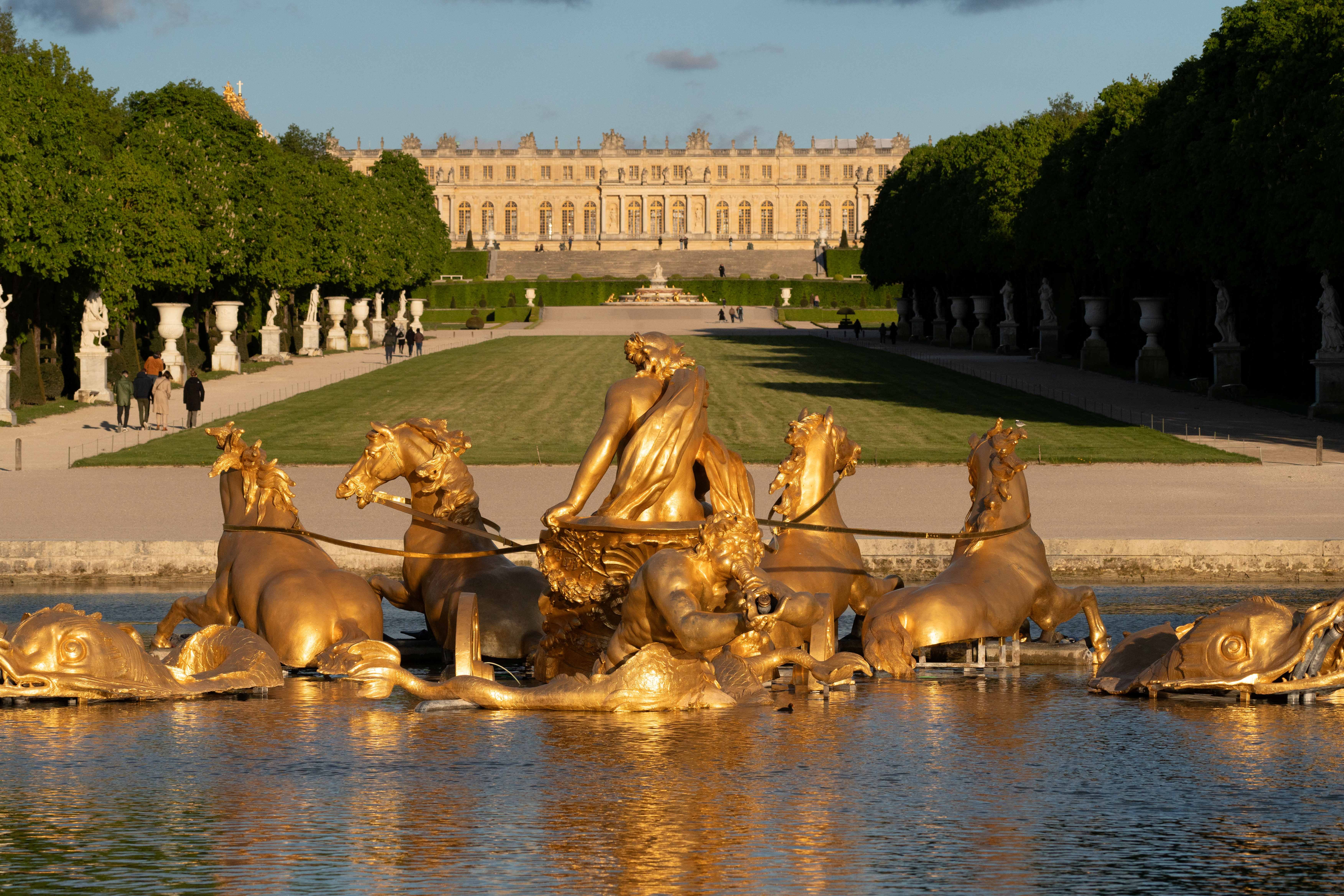
West of Paris stands the magnificent Palace of Versailles, one of the most famous royal residences in the world. In the Hall of Mirrors, glittering reflections and golden decorations illustrate the grandeur of the reign of Louis XIV. The formal gardens extend far beyond the palace, filled with fountains, pools and tree-lined paths that lead to smaller residences such as the Petit Trianon and the charming Queen’s Hamlet.
Auvers-sur-Oise and the Impressionists
Further north, the banks of the Seine and the surrounding countryside inspired many Impressionist painters including Monet, Renoir and Sisley. From the Île des Impressionnistes in Chatou to the quiet streets of Auvers-sur-Oise, where Vincent van Gogh created his final masterpieces, the landscape appears like a living painting. Places such as the house of Dr. Gachet, the Daubigny Museum and Van Gogh’s house preserve the memory of this artistic heritage.
Practical information
Where is Paris located?
Paris is located in northern France. The surrounding region connects easily to Normandy and Hauts-de-France in the north, Champagne in the east, and the Loire Valley and Burgundy in the south. Thanks to an extensive rail network, cities such as Lille, Bordeaux, Lyon, Marseille, Nantes and Strasbourg can be reached in just two or three hours by train.
Getting around Paris
Public transportation in Paris is extensive and efficient. The metro is usually the easiest way to move around the city. Some elevated sections even offer views of the Eiffel Tower. Cycling is also popular thanks to dedicated bike lanes and the Vélib’ bike-sharing system. Another memorable option is taking a boat cruise along the Seine to see the city from the water.
What to do in Paris
Whether you are visiting for a weekend or a longer stay, there are countless ways to experience the City of Light. You can climb the Eiffel Tower, admire Paris at night from the terrace of the Arc de Triomphe, watch the Tour de France riders race along the Champs-Élysées, visit the restored Notre-Dame Cathedral, see the Mona Lisa at the Louvre, walk through the Jardin des Plantes, or enjoy a relaxing cruise on the Seine.
Where to eat in Paris
From traditional bistros and lively café terraces to Michelin-starred restaurants and gourmet food halls, Paris offers endless culinary discoveries. And for a quick treat between sightseeing stops, local bakeries and pastry shops provide delicious croissants, pastries and other sweet specialties.
Bon appétit.